
Cohesion team building Singapore
THROUGH
PLAY
Hosted corporate team-building activities with practical planning support, activity comparisons, and price direction before you send the brief.
Team Building Singapore
Play that gets teams moving.
Hosted games that turn quiet groups into active, laughing teams from the first round.
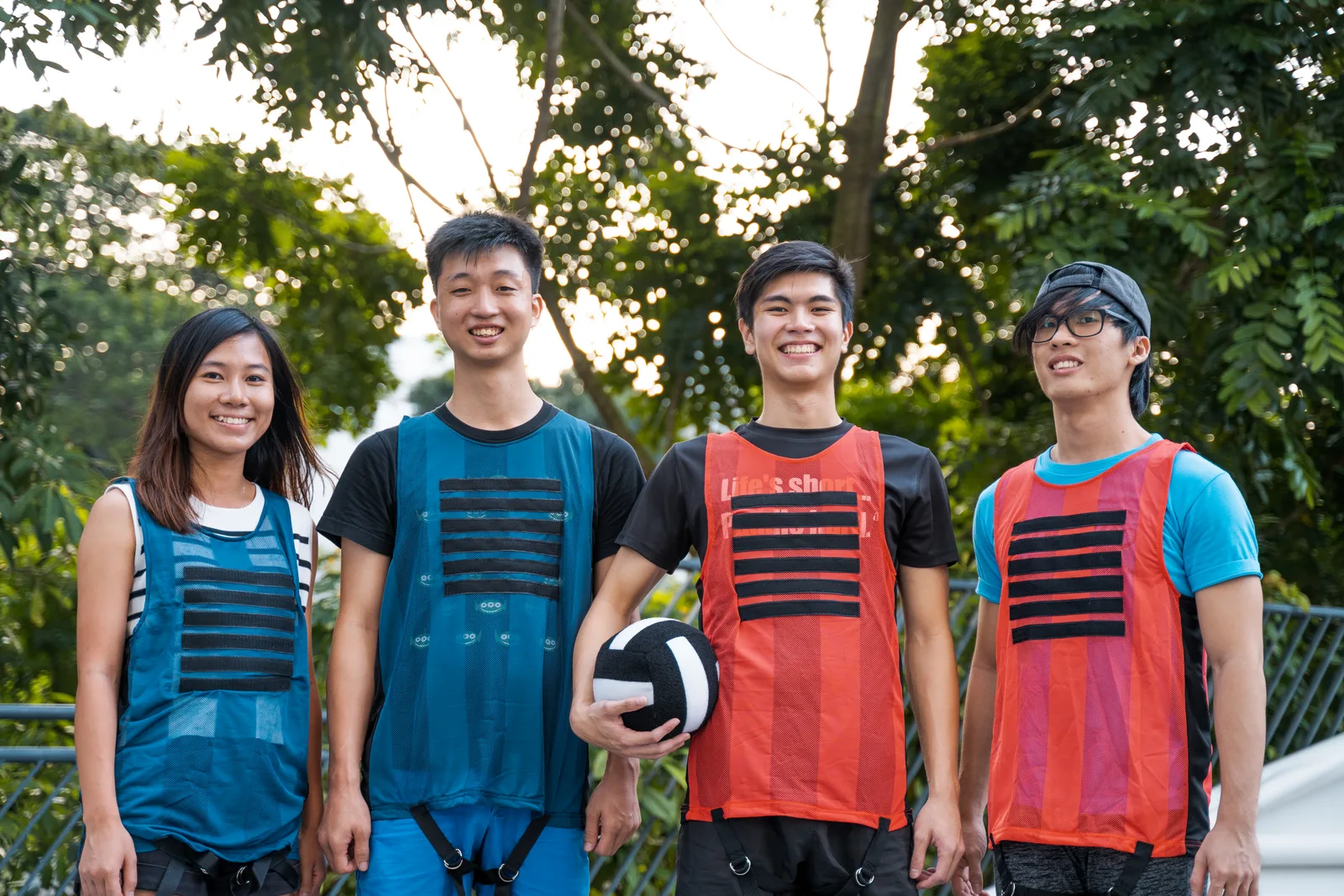
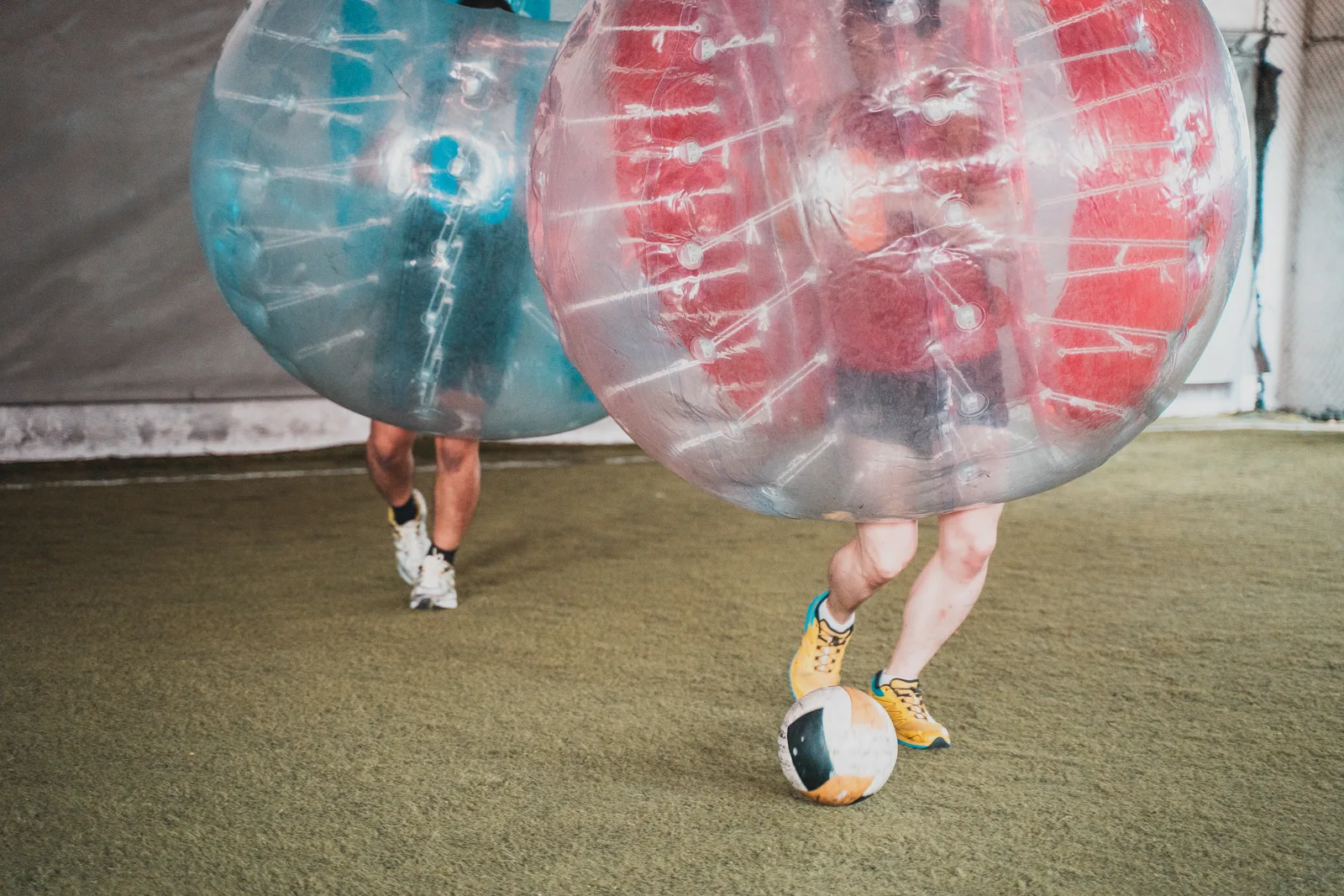
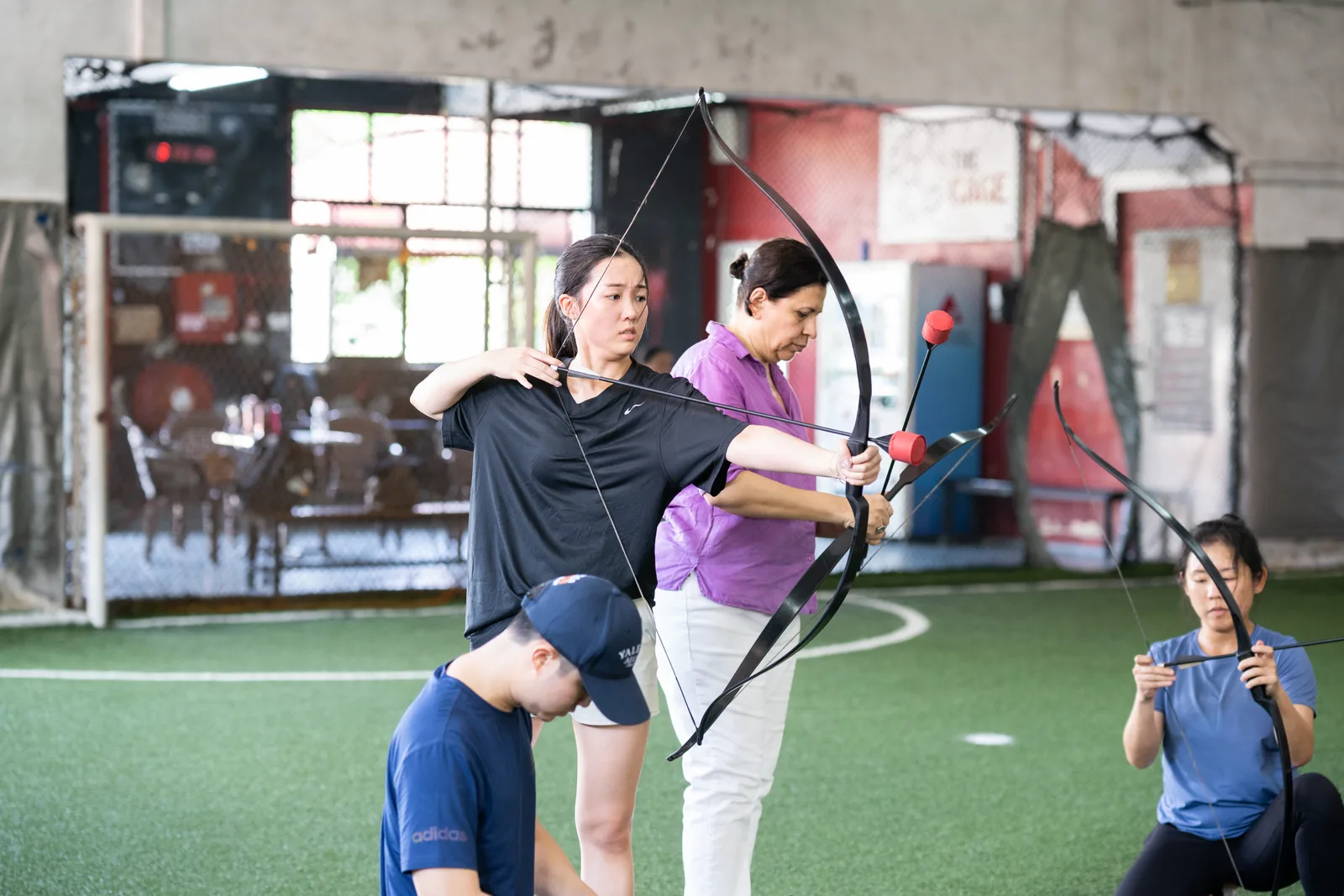
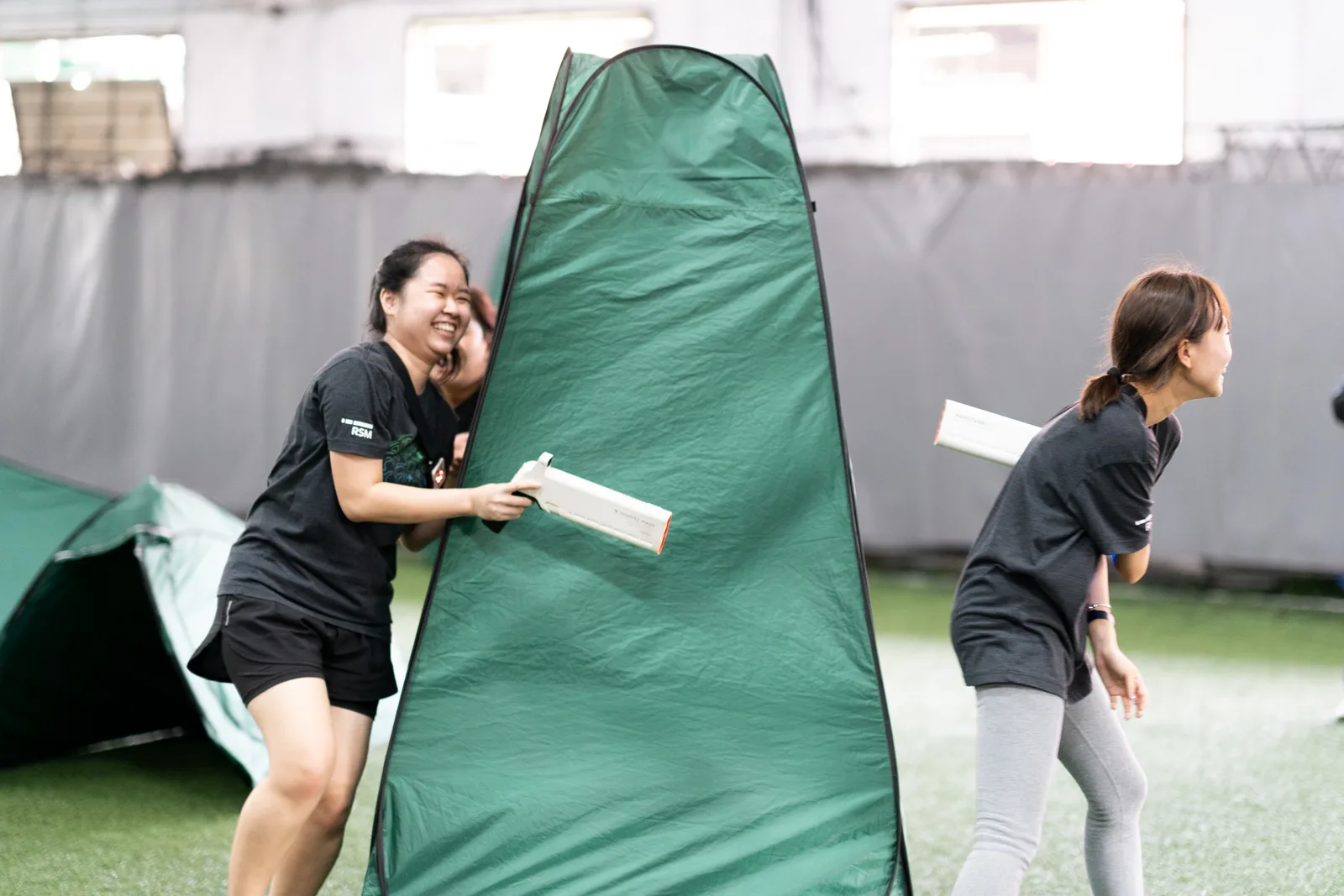
- 01BriefFast rules and clear roles.
- 02PlayActive rounds get people moving together.
- 03CelebrateShared wins, scores, photos, and cheers.
Trusted by teams across Singapore
Trusted by teams across Singapore.
Trusted by teams from global brands, regional names, and established Singapore companies.
People hosted
100,000+
Rounded from past hosted events.
Past companies
900+
Past company bookings and event history.
Years running
10 years
Established in 2016.


Activities
Choose an activity by fit
Start with what you already know: group size, venue certainty, energy level, and whether management needs client examples before approval. The exact game can follow from there.
Start with one popular game. Select a card to compare the fit, then open the activity or bring it into the planner.
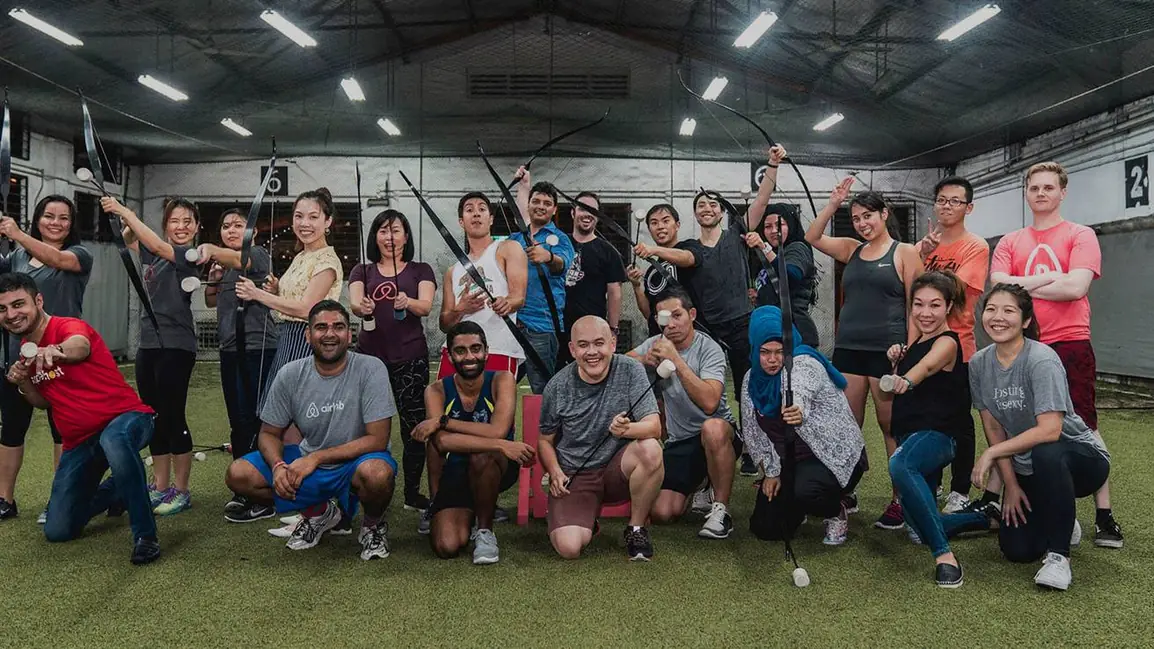
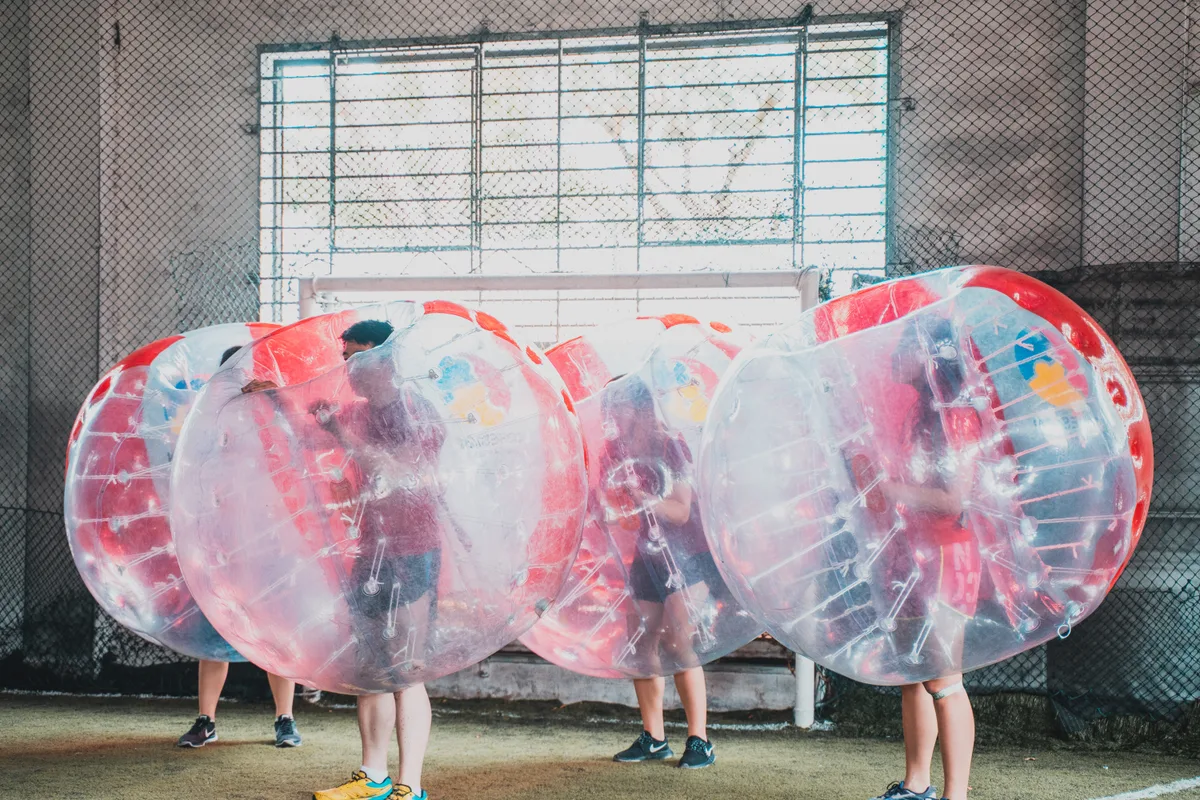
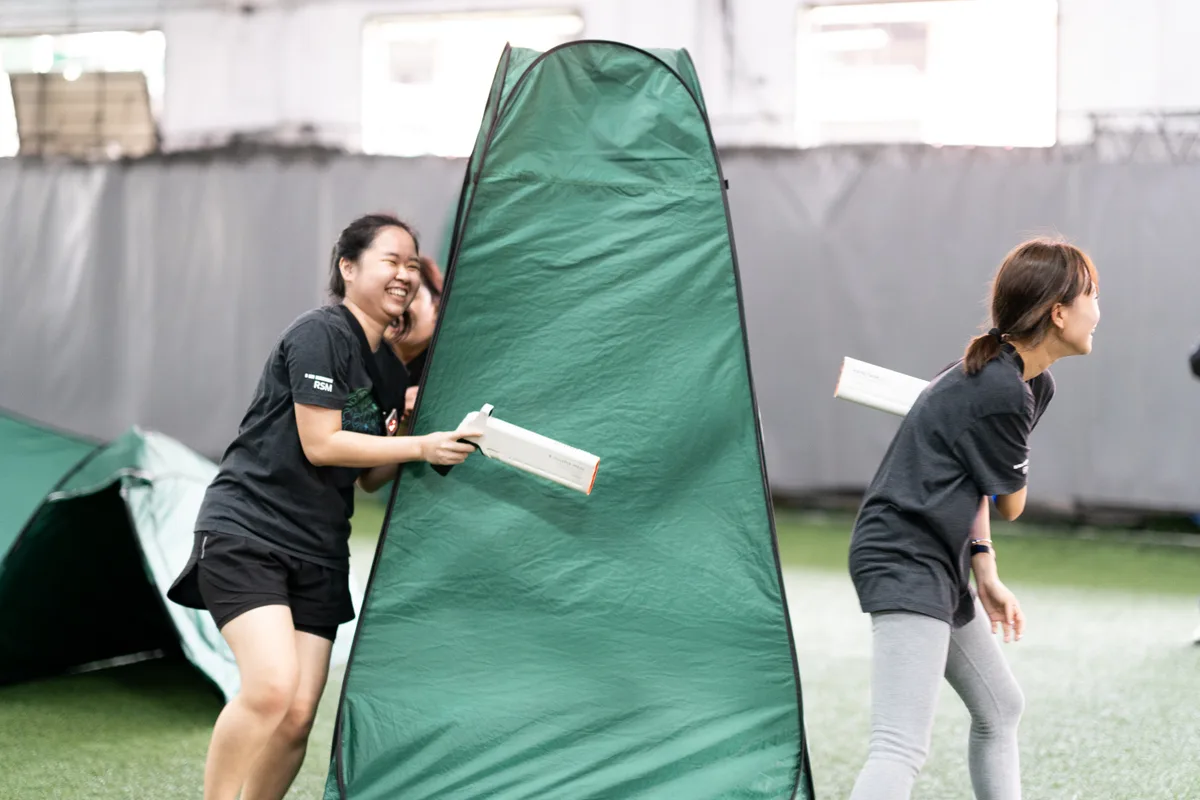
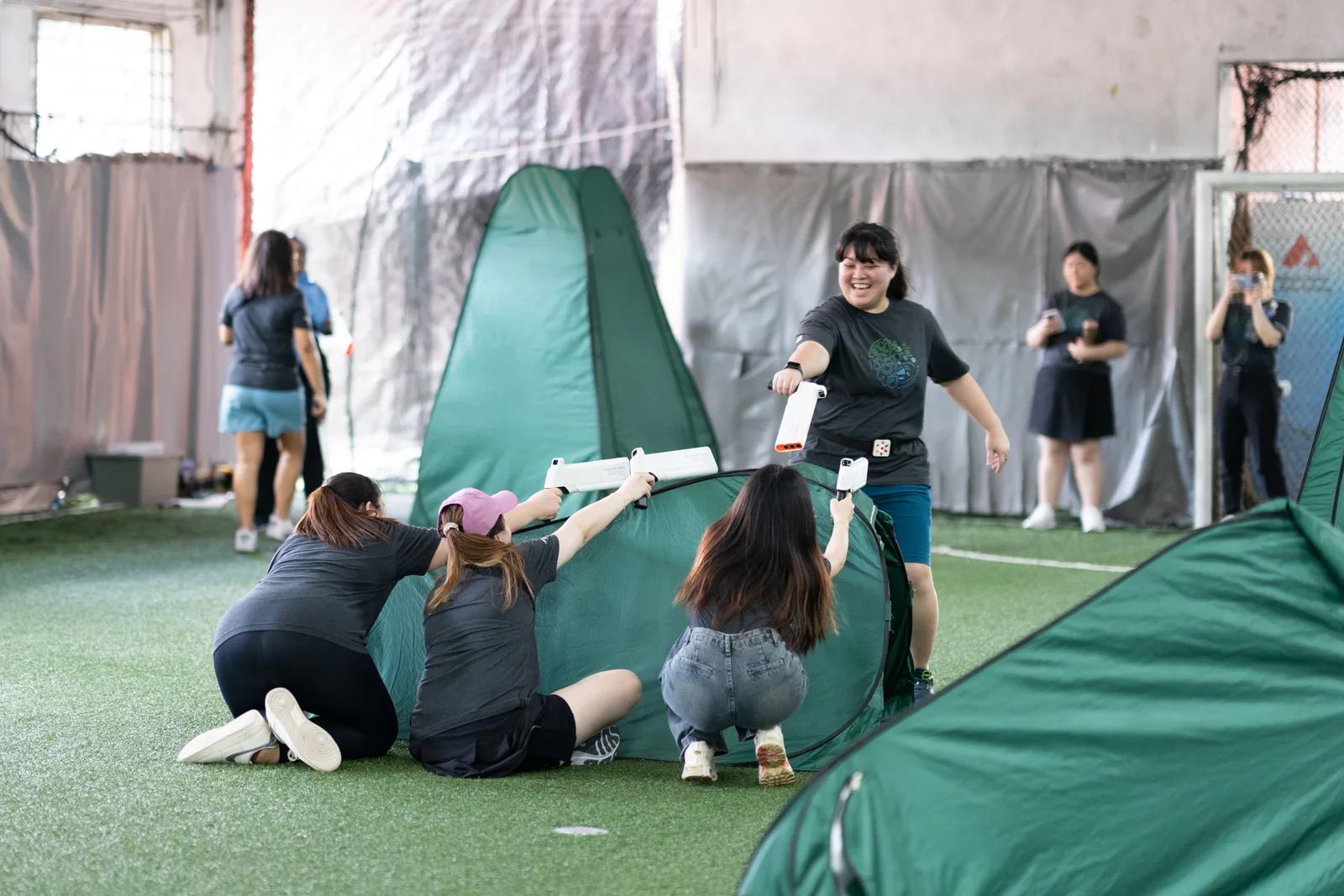
Most popular starting pointFast missionsLaser TagCompetitive teamsFoam arrowsArchery TagActive noveltyBig laughsBubble SoccerLaughter-first groupsChoose this if you want active play without heavy contact.
High-Energy Games
For teams that want movement, quick rules, and easy-to-explain competition.
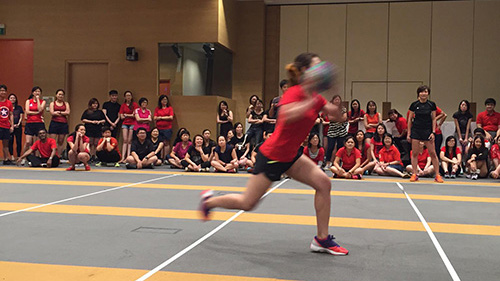
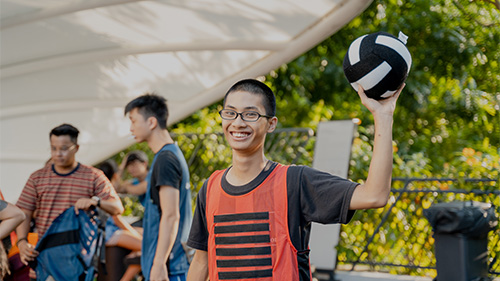

Large & Mixed Groups
For company-wide days, Telematch games, mixed comfort levels, and groups that need everyone involved.
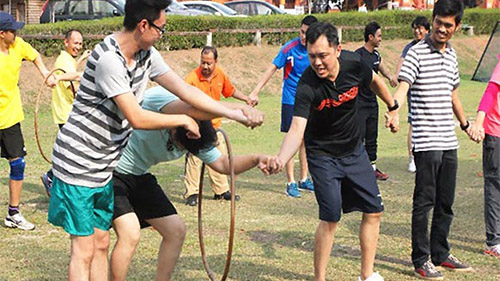 Broad participationTelematchShort Telematch game stations, easy cheering moments, and a hosted score reveal.
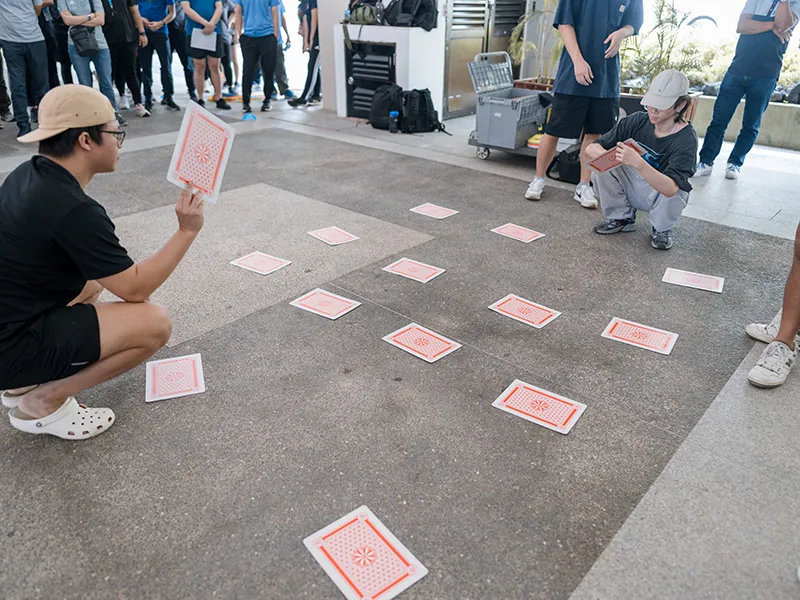 One-minute stations60-Second Corporate ChallengeQuick-fire station games, live scoring, and a final challenge for office teams.
 All-ages activity dayFamily Day / CarnivalGames, inflatables, and carnival stations for staff and families.
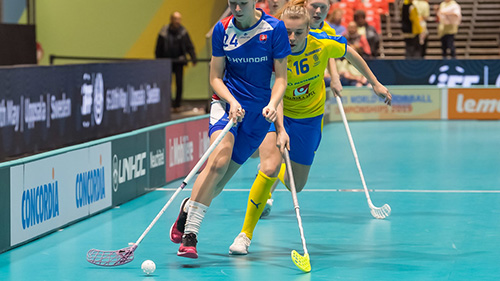 Sport-based teamworkFloorballA quick team sport option for groups that want active play.
Creative / Food Add-ons
For mixed-comfort teams, quieter groups, or events that need a food or workshop layer.
Compare creative workshops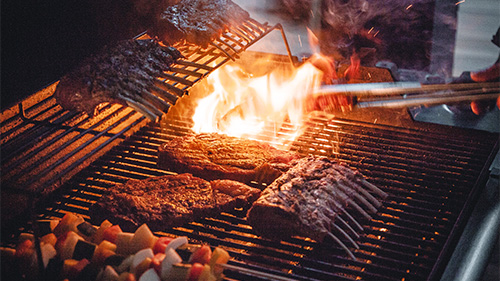 Food after playBBQ ExperiencePremium BBQ catering for teams that want to wind down together.
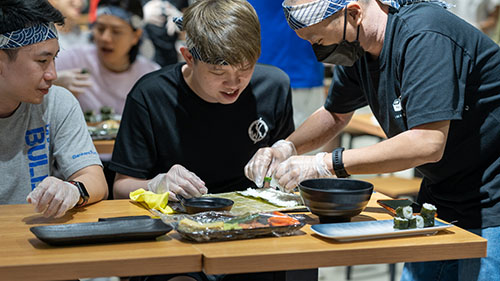 Hands-on makingJapanese Cuisine LessonA food-led workshop for teams that prefer a calmer activity.
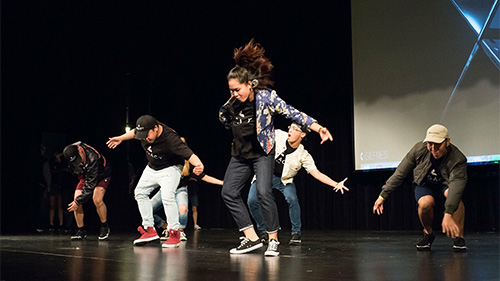 Perform togetherDance BondingLearn a short routine and finish with a shared performance.
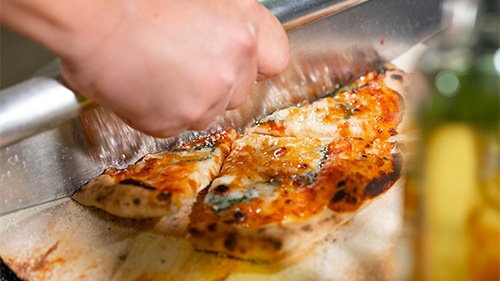 Cook and sharePizza Making LessonA lighter food activity where teams make their own pizzas.
CSR & Purpose
For teams that want a hosted challenge with a give-back theme and a clearer purpose.
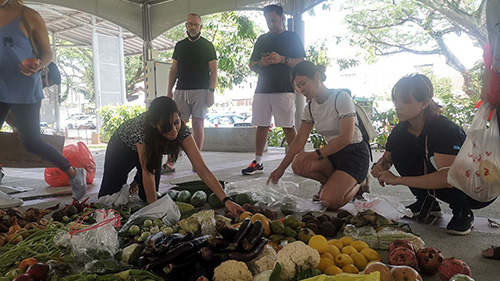
Client feedback
Corporate team building in Singapore for active, mixed, and large groups.
Teams remember the way the day felt.
Client feedback points to the same things: clear facilitation, easy group energy, and active formats that keep people laughing together.
Cohesion
Based on 796 reviews
Cohesion Singapore - Laser Tag & Bubble Soccer Game
Based on 771 reviews
Featured client notes
Fun and engaging
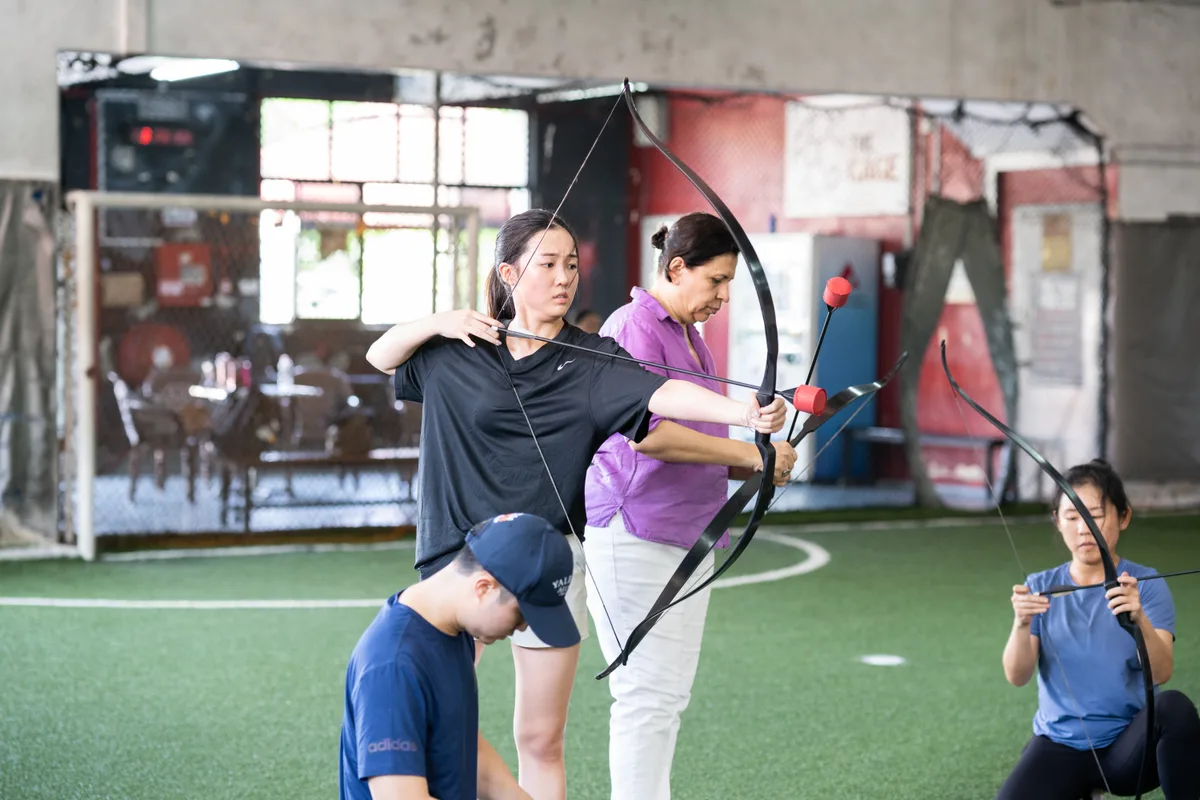
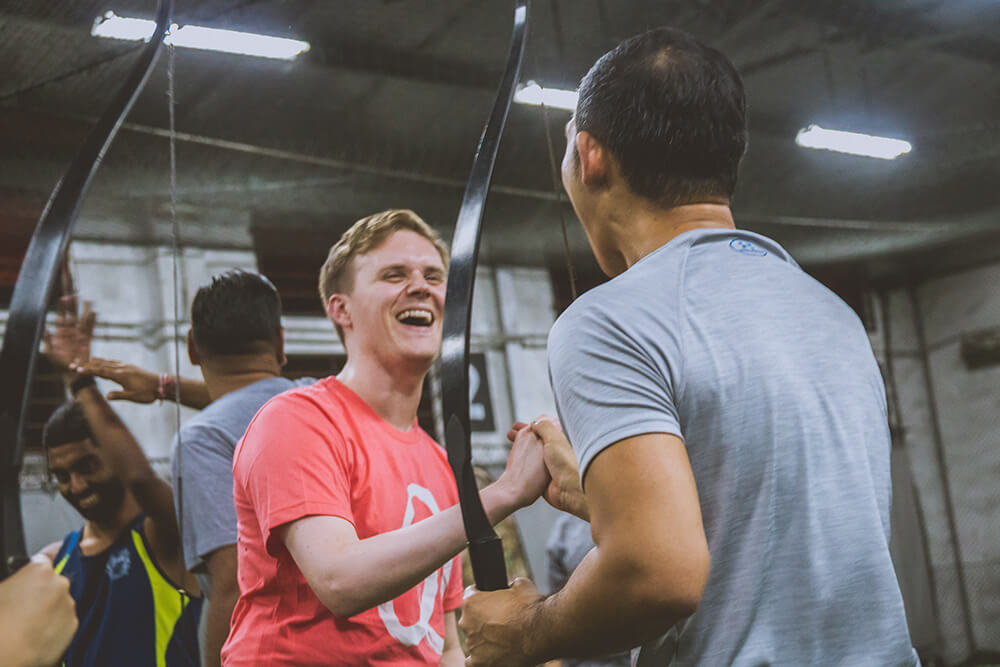
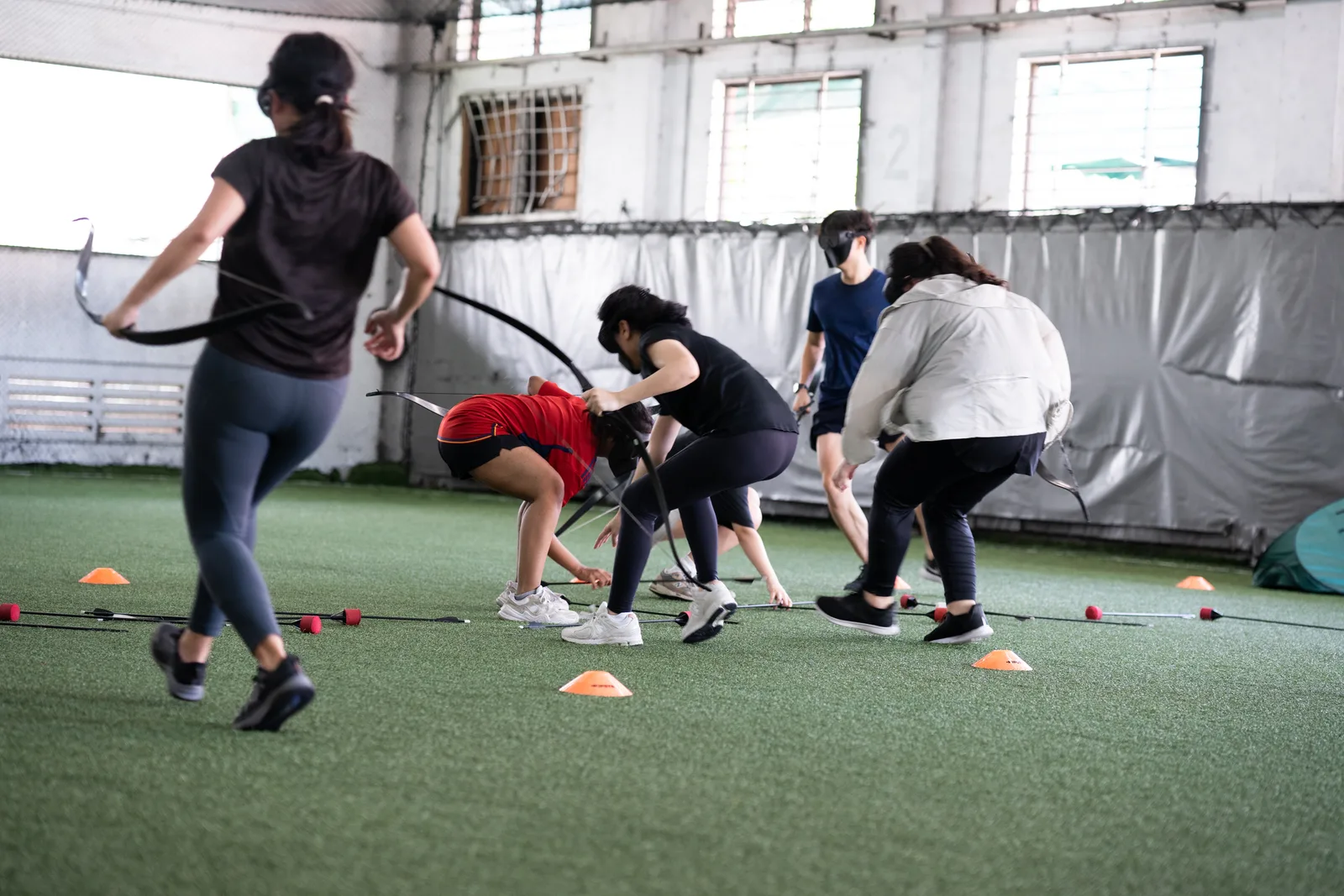
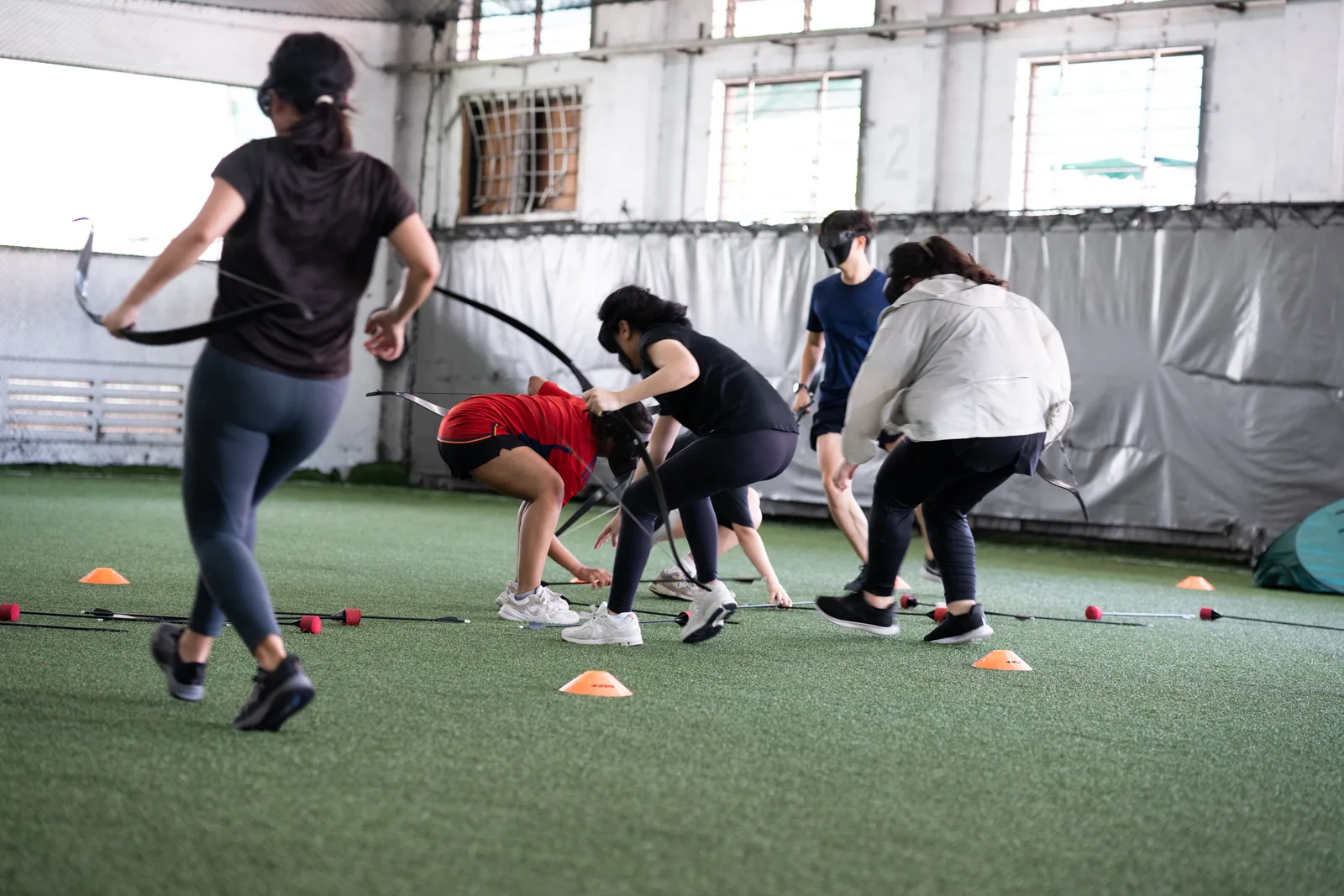
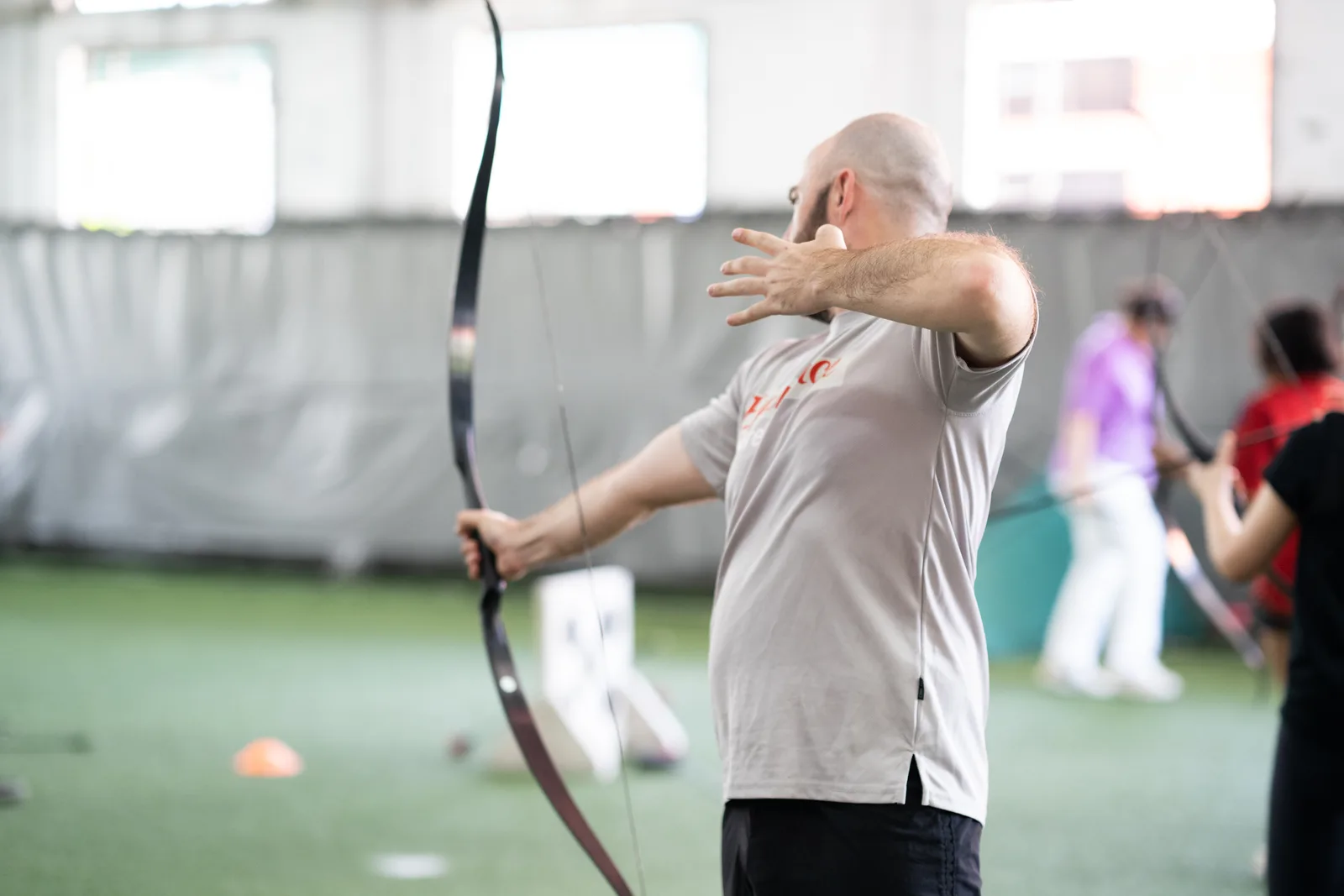
“We went here for a team building exercise and had a blast! The Archery Tag game was fun, engaging, and physically tiring. I would recommend this activity for any large group looking to have a full afternoon of fun and bonding.”
A wonderful time
“Xavier and Jolina were the friendliest and most patient to work with. Our students and their families had a wonderful time playing laser tag, archery tag, and bumball concurrently.”
Smoothly run from start to finish
“Had a great time with Jo and Cheryl leading our team in Archery Tag. The session was smoothly run and ended with a BBQ. Would recommend this as a fun team building event.”
More public reviews
Creative and engaging
“The mini Zen Garden workshop was so much fun! Sam was super engaging and funny, the instructions were simple to follow, and participants could really use their creativity.”
Well-organised and full of laughter
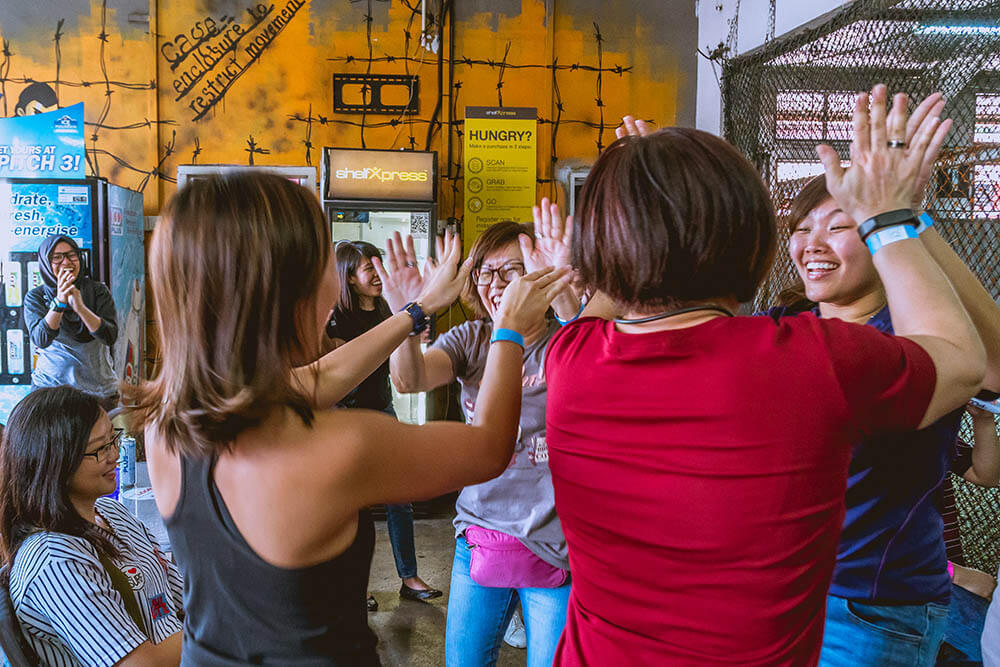
“We recently held our team-bonding session with Cohesion at The Cage @ Kallang, and overall it was a fun, well-organised experience filled with laughter and teamwork.”
Outstanding facilitators
“Engaged Cohesion for a 3-hour Laser Tag session. Facilitators Evan and Dewi were outstanding - their energy, spontaneity, and ability to engage our large group were truly impressive.”
Professional and stress-free
“The team bonding event was a fun and exciting experience that brought our group closer together. The responsive customer service stood out as well, promptly addressing all our needs.”
Absolutely fantastic
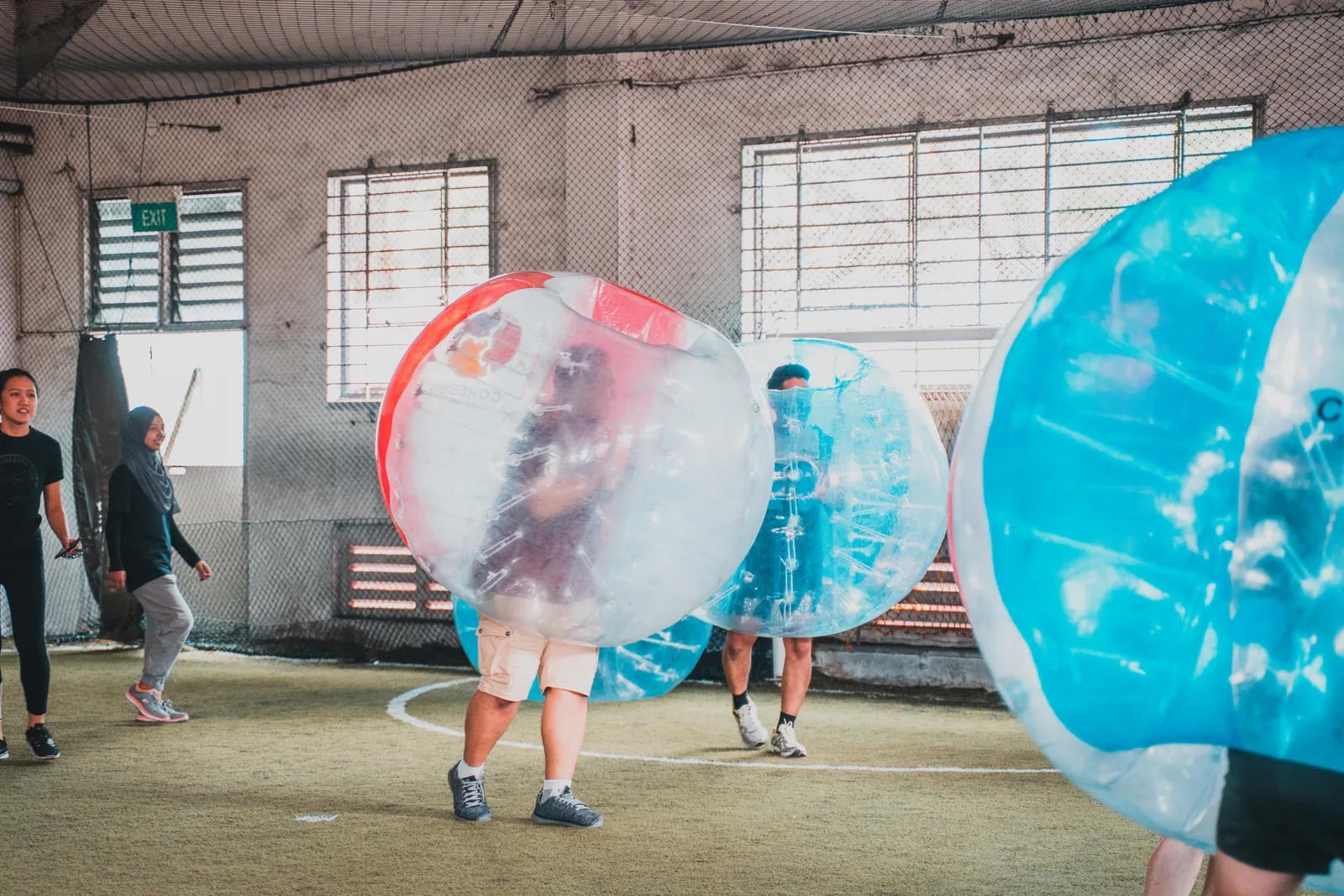
“We played bubble soccer for an hour for my son's 10-year birthday party. It was absolutely fantastic and so much fun, perfect for a group of active boys.”
Prompt and flexible
“Engaged them for Bubble Soccer and Laser Tag team bonding and the experience has been great. Ian was very prompt and attended to our needs despite the many changes.”
Plan with fewer unknowns
Turn rough constraints into a usable brief.
If you are comparing team-building providers in Singapore, start with the details that shape the quote: group size, venue direction, activity energy, client examples, and how fixed the brief already is.
The team only knows headcount, timing, and broad energy. Use the homepage to move into activities, prices, client examples, or the planner.
Group size, format, venue status, timing, facilitator coverage, food, prizes, logistics, and how fixed the brief is.
You can share date range, group size, venue direction, preferred format, approval pressure, and what needs to be included in the quote.
- Use a group-size band if the exact headcount is not confirmed.
- Mark whether the venue is booked, tentative, or still open.
- Flag budget pressure, client examples, food, prizes, and setup constraints early.
Use this when management wants price direction before the activity mix, venue status, and inclusions are fixed.
Group size20, 50, 100, or 200+ peopleChoose formats that keep waiting time, facilitator coverage, rotations, and comfort level realistic for the headcount.
The Cage @ KallangStart from the default venue pathUse Cohesion's home venue when you want a ready arena setup, then change to your own venue if the brief requires it.
Lower intensityCreative or calmer team bondingUse this when the team prefers indoor workshops, food-led making, dance, light games, or a softer add-on before a quote is locked.
Approval packShare the plan internallyWhen the proposal is ready, Cohesion can package the plan, pricing, timeline, and responsibilities into a management-ready event deck.
Provider fitCompare beyond the headline priceCheck facilitation, activity ownership, relevant examples, quote inclusions, and fallback planning before comparing final vendors.
Large group, public-sector, finance, and repeat-session examples help you decide what to copy, adapt, or flag before asking for a quote.
Price guidance
Team building event pricing in Singapore
From SGD $15 to $49 per person, depending on activity format, group size, venue, and add-ons.
Activity pages show specific starting prices. Laser Tag starts from $15 per person; station-rotation formats like Telematch and the 60-Second Corporate Challenge start from $25 per person. Final pricing depends on date, venue confirmation, food, prizes, and facilitator coverage.
See team building pricing detailsPlanning Resources
Plan with more confidence
Useful guides for choosing the right format, pricing details, budget model, group size, venue direction, and event-day remarks.
 Activity FinderFind the right team building activityCompare headcount, energy, venue certainty, and objective before shortlisting formats.
 Venue ChooserChoose the right venue directionCompare The Cage @ Kallang, your own venue, and undecided venue paths by group size.
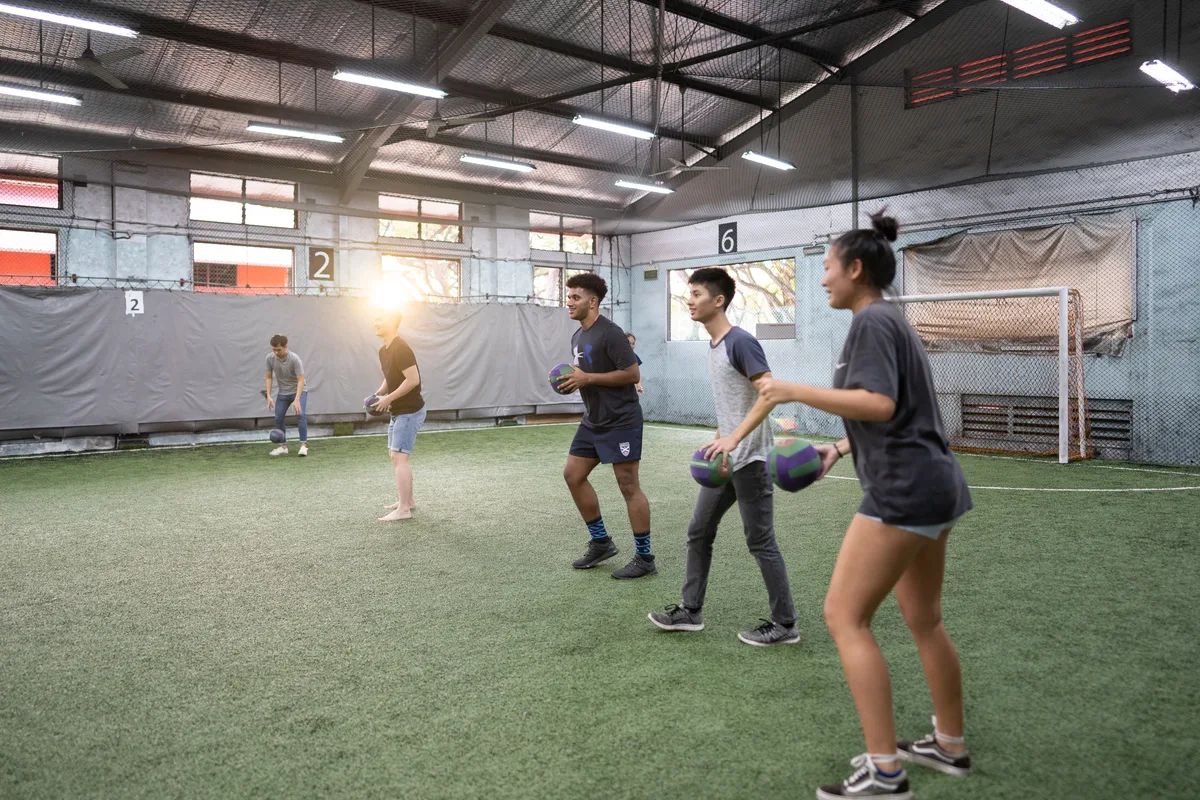 Kallang Venue PathStart from The Cage @ KallangUse Cohesion's default venue path when you want a ready hosted arena setup.
 BudgetUnderstand team building costsSee what affects price so you can plan a realistic event budget.PricesChoose the right quote requestUse the pricing explainer when management asks for price direction before the event scope is fixed.Quote ChecklistCheck the quote before approvalReview inclusions, exclusions, facilitator coverage, venue assumptions, and red flags.Adventure RaceChoose the right challenge formatCheck whether Kallang Rush, City Rush, a custom route, or station format fits the group.
Frequently asked questions
About Cohesion team building events
The most common questions teams ask before booking with Cohesion.
Who is Cohesion?
Cohesion is a Singapore corporate team-building company. We have run team events since 2016 for 900+ companies and 100,000+ participants, with a 4.9-star Google rating across 771 reviews.
What's included in a Cohesion team-building event?
A typical event includes hosted facilitators, equipment, activity setup, an emcee where the format needs one, and the activity programme itself. Optional add-ons include BBQ or light catering, prizes, a photographer, venue coordination, and contingency planning.
How much does a corporate team building event in Singapore cost?
Most Cohesion team-building events run SGD $15 to $49 per person, depending on activity format, group size, venue, and add-ons. Laser Tag starts from $15 per person; station-rotation formats like Telematch and the 60-Second Corporate Challenge start from $25 per person. Final pricing is confirmed after venue, timing, food, and facilitator coverage are scoped.
How many people can you accommodate?
Group sizes from 6 to 360+ people are supported. Smaller groups (10-30) typically use one anchor activity. Mid-sized groups (40-150) use rotations or multi-arena setups. Large groups (200+) typically run Telematch or hybrid programmes with a venue and format check before the estimate is finalised.
Can you handle venue planning?
Yes. Venue type, shelter, access, and participant comfort are checked early. The Cage @ Kallang gives most arena formats a ready venue path by default; if you use your own venue, Cohesion checks setup flow before confirmation.
How early should we book a team-building event?
For groups under 100 people, two to four weeks lead time gives flexibility on venue and activity choice. For groups of 100+ people or peak-season dates (year-end, post-Chinese-New-Year, Q4 office team-building windows), four to eight weeks of lead time is recommended so the planner can match activities, venues, and food precisely.
Useful next steps
Plan the team-building decision before asking for a quote
Use these guides to check budget, group fit, and scalable formats before moving into the Event Planner.
Check the main price drivers before comparing quotes.
Mixed GroupsChoose for mixed teamsBalance comfort, energy, and participation across the whole group.
TelematchPlan for larger groupsUse a flexible format when the team needs broad participation.
Bubble SoccerCheck the active optionSee what to expect before shortlisting a high-energy session.
Team Building Singapore
Vibrant events built around real participation.
Singapore team building activities shaped for each group, with formats that feel active, memorable, and easy to join.
Participants move, plan, laugh, and collaborate through playful challenges instead of sitting through another passive programme.
Why Cohesion
A complete team day, shaped around your group.
Choose active games, practical add-ons, and facilitator support that keep the day moving with clear briefs, active play, and easy transitions.
Plan My Event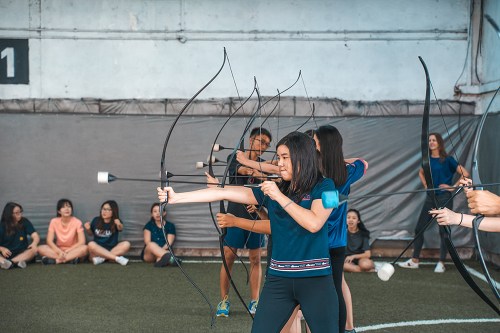
100,000+
People hosted since 2016
Past bookings show the scale behind the games, facilitators, and planning support.
Connecting teams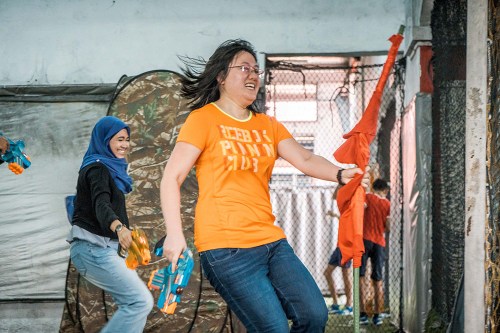
10 years
Built over a full decade
Established in 2016, Cohesion has kept the planning, facilitation, and event-day flow consistent for years.
Motivating teams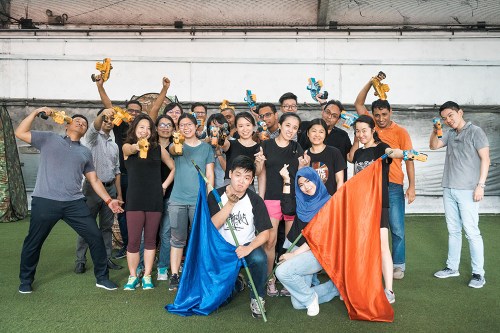
900+
Companies we have supported
Past company bookings show how often teams come to Cohesion for structured event support.
Bonding teams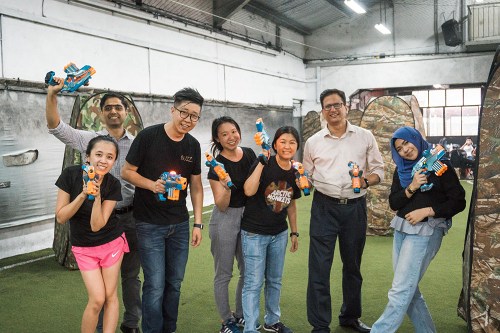
500+
Great reviews online
Trusted by companies and agencies that need the day to run cleanly.
Rewarding teamsRECENT CLIENT EXAMPLES
See how recent teams used different Cohesion formats across tech, banking, and public-sector team events.
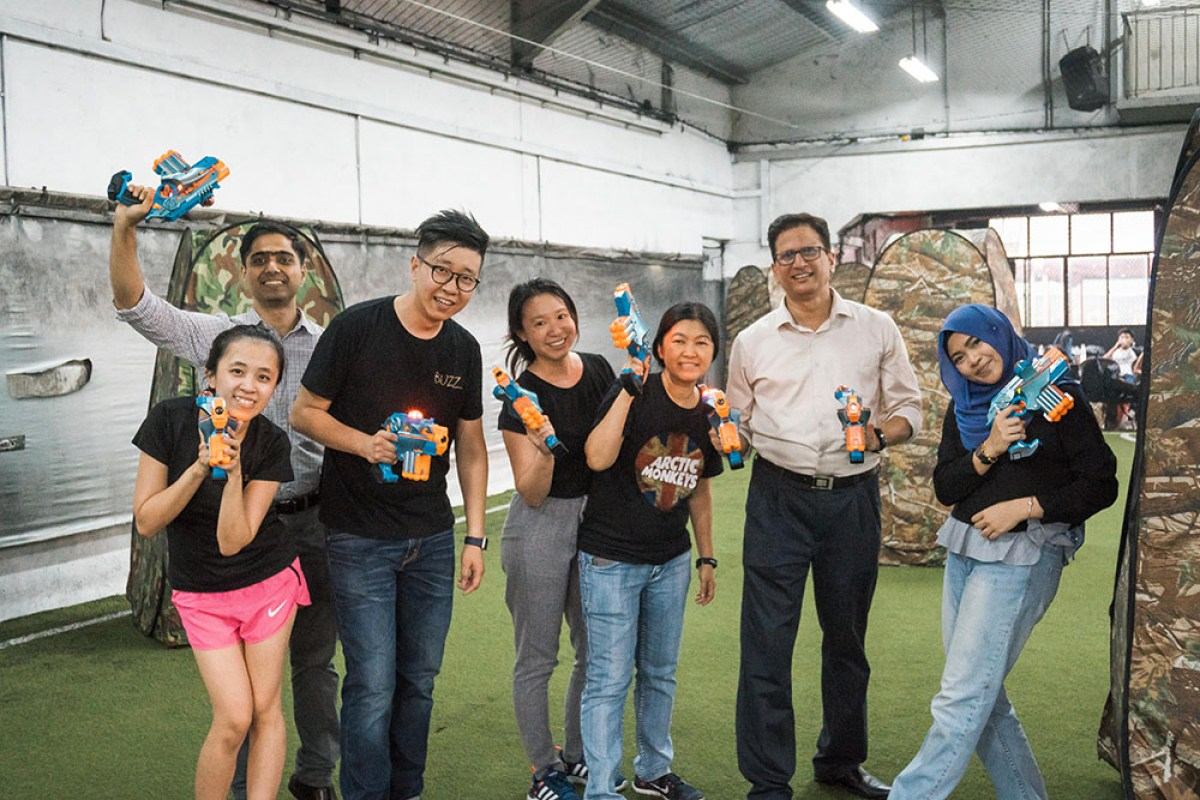 Featured
Sunday Roast x Cohesion
End your teambuilding game with a BBQ
Wrap the day with premium BBQ catering after the games, so the team can keep talking, laughing, and winding down together.
Visit Sunday RoastExperience
Try out the Cohesion experience!
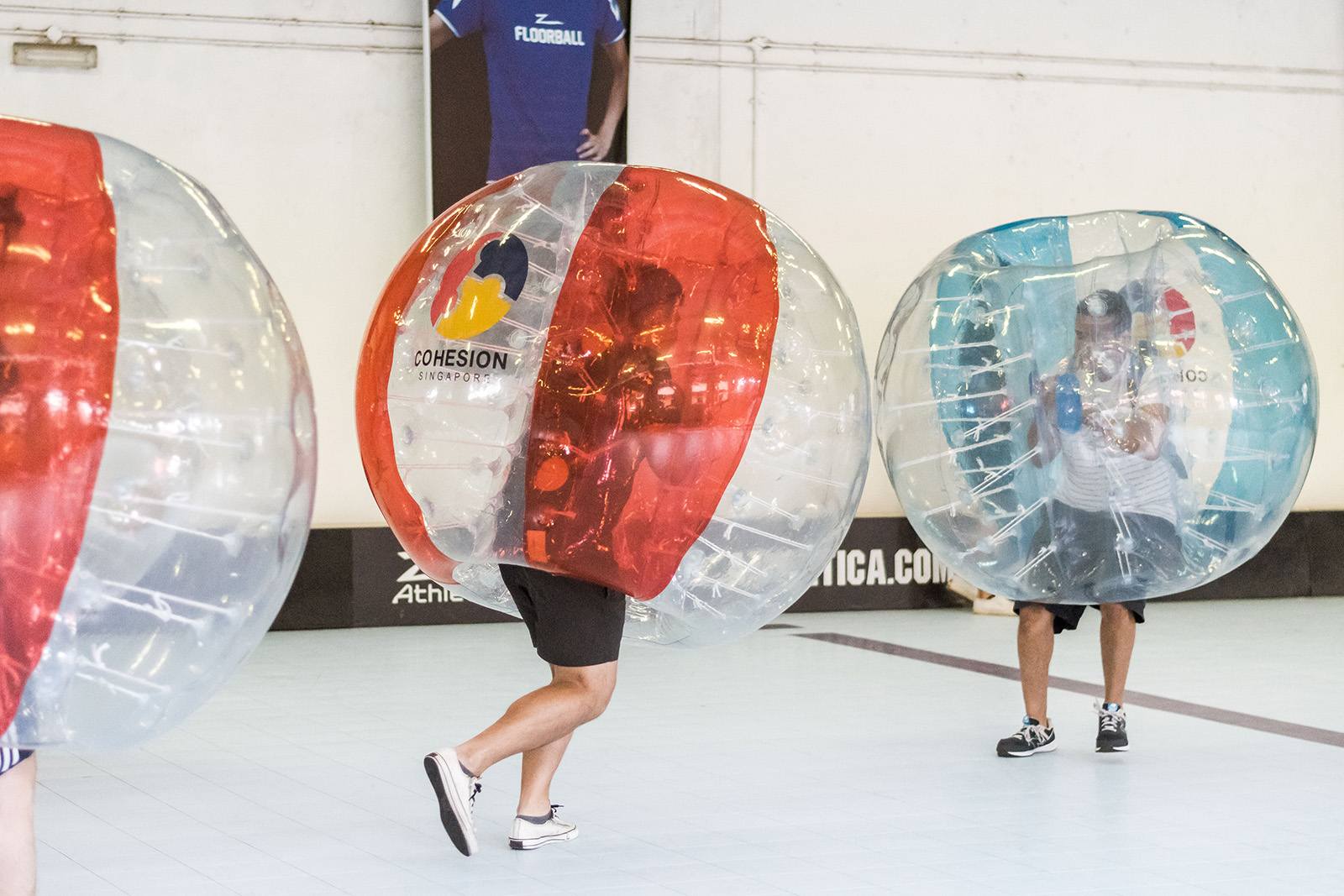
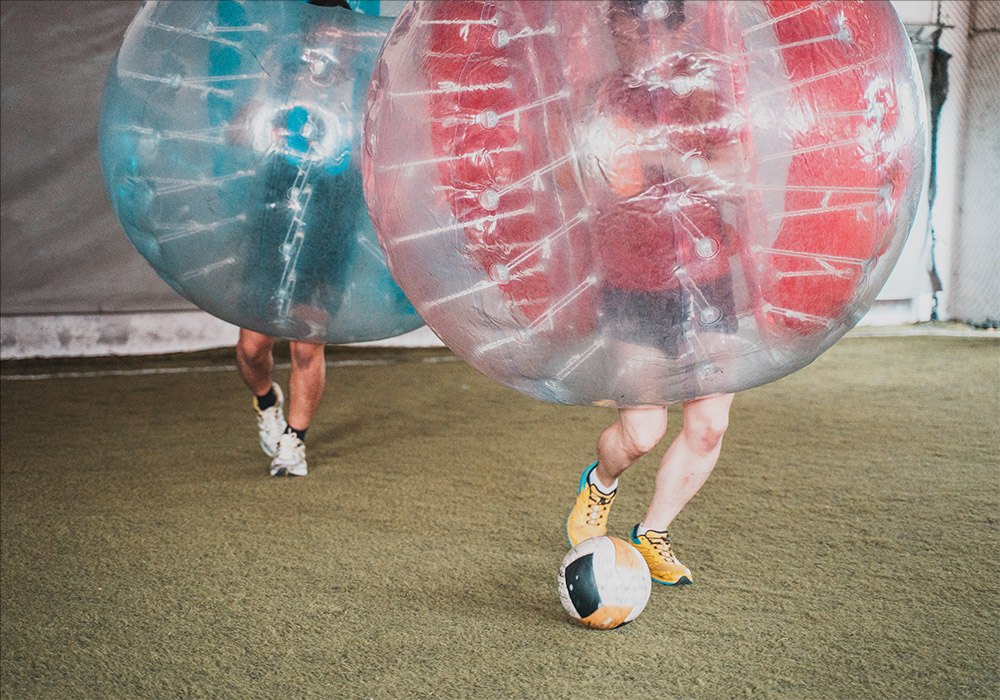
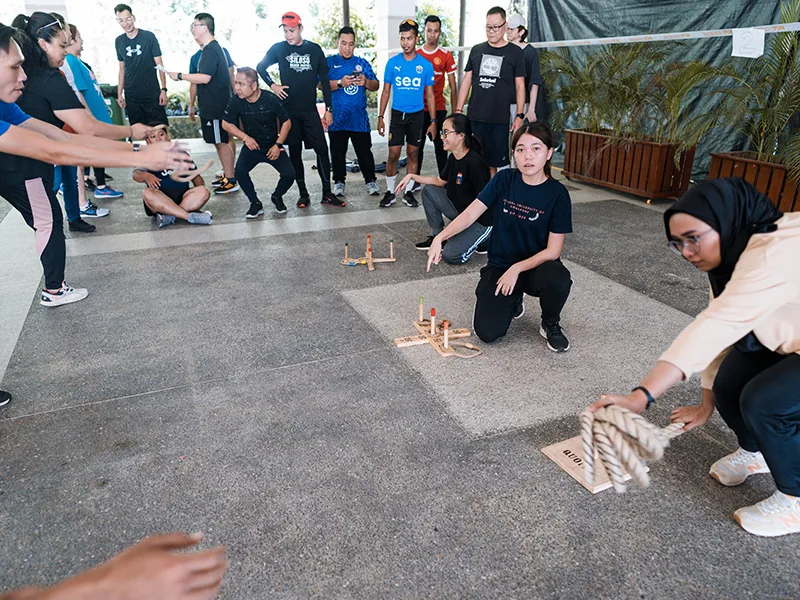
Teams move through indoor and outdoor games that get people planning, laughing, and reacting from the first brief.
Each format can be shaped around group size, venue, comfort level, and the kind of shared moment you want after the final round.
Contact
Merge work and fun today
We organise events that will create a fun and cohesive company.
Work With Us Today
Why Cohesion
Experts in our field
At Cohesion, we specialize in creating engaging and effective team building experiences for corporate teams. With a focus on novel and exciting games, we provide unique and challenging activities that help teams to build trust, improve communication, and achieve their goals.
Each programme is shaped around your team's goals, venue, and group mix so it feels considered instead of off the shelf.
Indoor + Outdoor
Formats that travel well across venues, group sizes, and event goals.
Play With Purpose
Experiences that feel lively in the room while still building trust and communication.
Facilitator Led
Clear hosting keeps the day organised, energised, and easy for everyone to join.
What clients count on
Clear facilitation, real participation, and team days that actually feel memorable.
Clients get facilitation that keeps people involved, plus activities that stay playful in the moment and meaningful after the event.
Built around your brief
Custom programmes are shaped around your objectives, venue, and group mix instead of forcing one fixed format onto every team.
Easy to join on the day
Experienced facilitators keep the energy clear and welcoming so teams can settle in quickly and participate without uncomfortable moments.
Fun with a real outcome
The games stay playful on the surface while still helping teams strengthen trust, communication, and shared momentum.