Skip to brief builder
Cohesion The Experience Makers
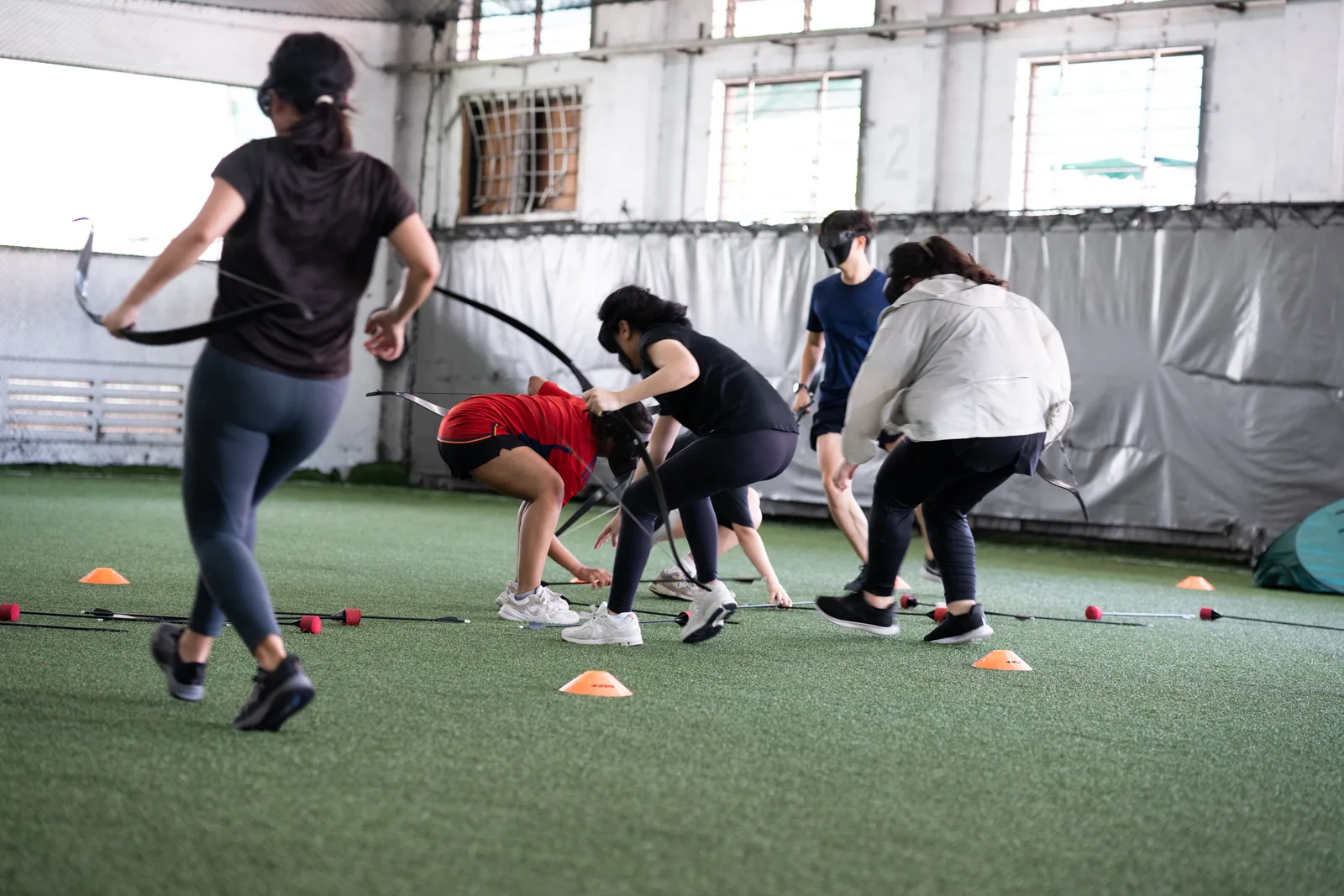
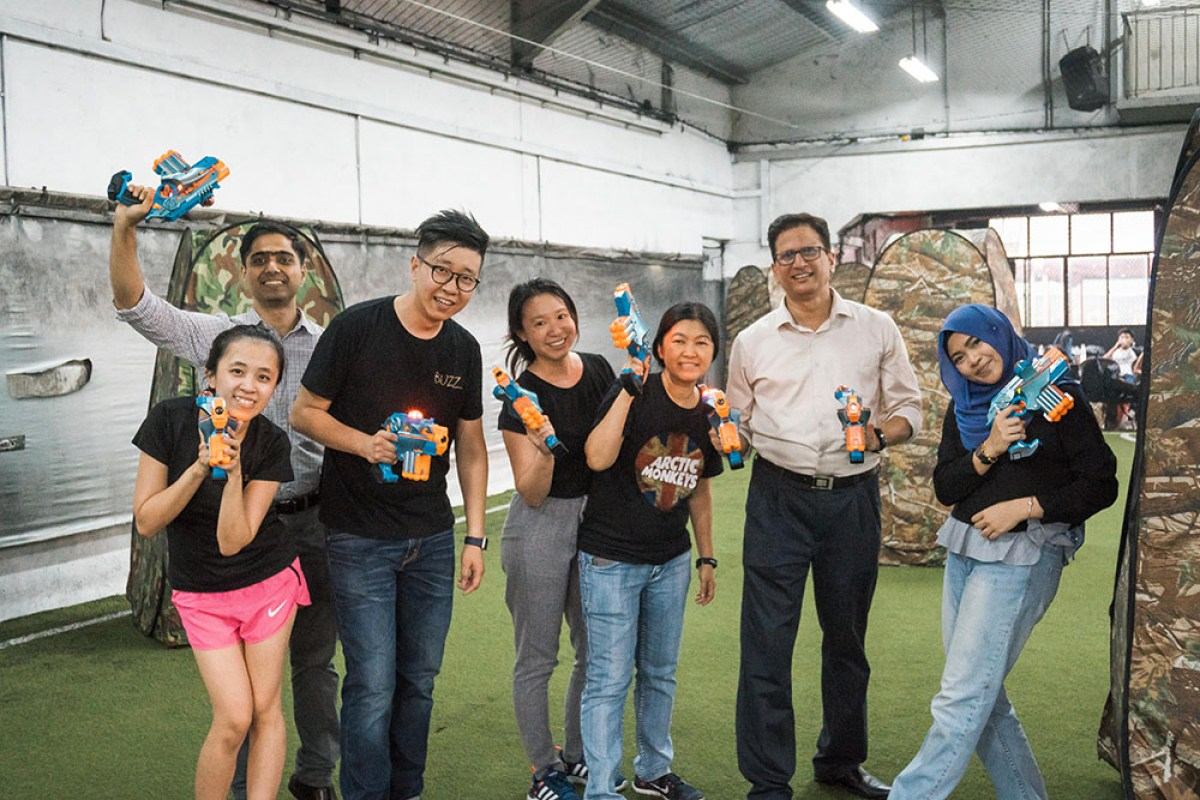
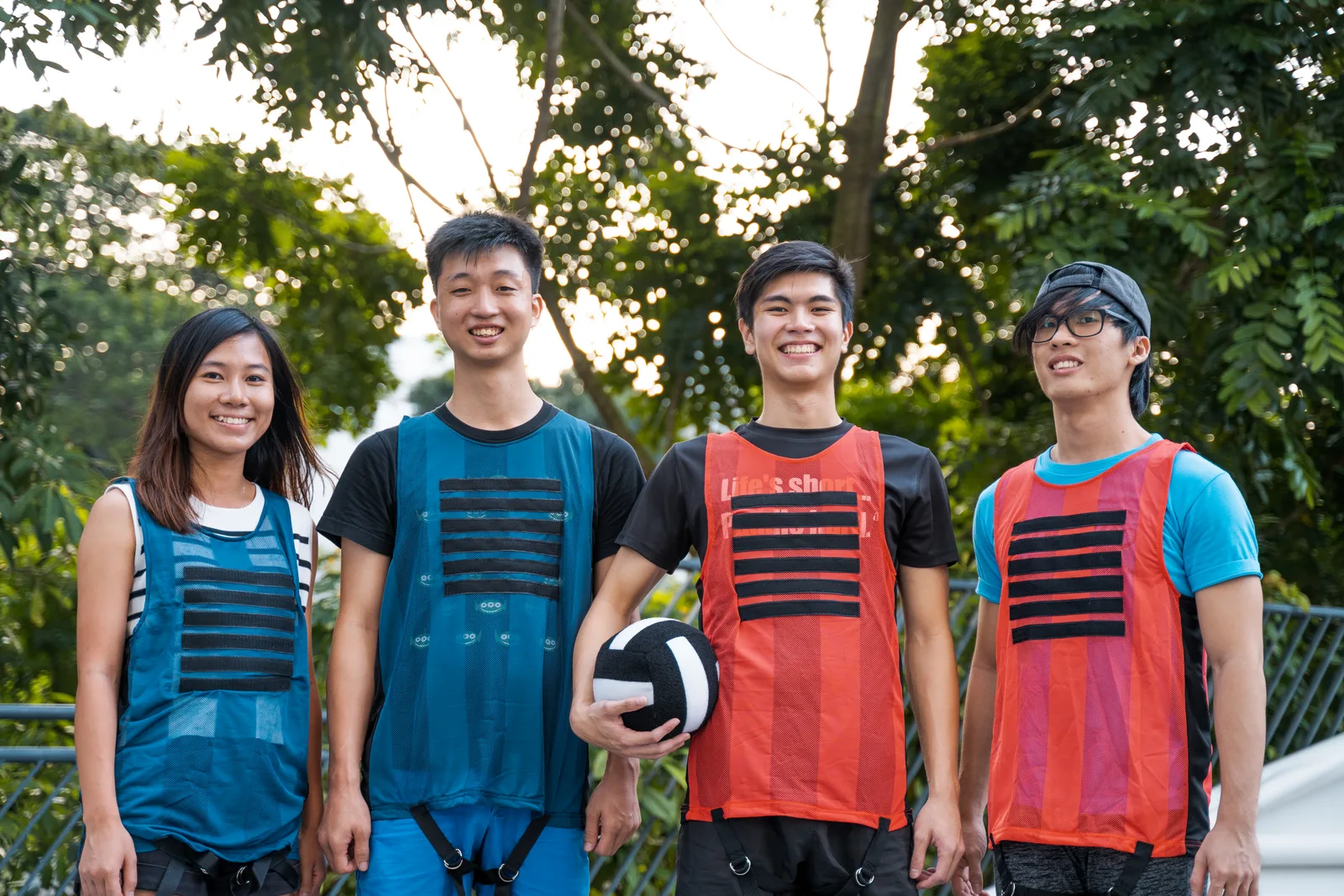
Cohesion participants working through a facilitated corporate team-building challenge

Interactive corporate planning guide

Corporate Team Building Singapore: Interactive Planning Guide

Build a clearer event brief before choosing the activity. Start with headcount, duration, objective, venue risk, comfort level, food, and prizes so the recommendation fits the team instead of just the search term.

  • 6planning steps from objective to quote
  • 4programme shapes for common briefs
  • 11support links for planning decisions
  • 1Event Planner brief

Brief builder

Planning load.

Adjust the brief to see how headcount, duration, venue exposure, comfort level, and add-ons change the event shape. Use the sections below to keep the core planning points visible as you refine the brief.

80 people
3 hours
Main objective
Venue direction
Team comfort
Add-ons

Planning complexity

0

Start 4 to 6 weeks out, then lock teams, venue notes, and dietary details 1 to 2 weeks before event day.

Recommended event shape

Balanced corporate team-building session with one main format and a practical contingency plan.

Planning notes

  • Prioritise shared moments, light competition, and enough structure for mixed departments.
  • Keep the shortlist venue-flexible until rain exposure, travel, and setup limits are confirmed.

Best next step

Bring this brief into the Event Planner with your date, venue constraints, and preferred energy level so Cohesion can narrow activity and programme recommendations.

Internal brief draft

80 people, 3-hour corporate team-building session focused on bonding, with flexible venue direction, balanced activity comfort, and food or refreshments included.

Programme map

Event shape and time.

Duration changes everything: briefing depth, rotations, breaks, food, prize-giving, and how much variety the group can enjoy without the day feeling overbuilt.

2 to 3 hours

One focused activity block

Best for office afternoons, department bonding, and groups that need a polished session without a full-day commitment.

4 to 5 hours

Activity plus break or meal

Useful when you want time for arrival, briefing, one main activity, a reset, and a more relaxed close.

Planning sequence

From idea to event-day brief.

Use this sequence to move from a rough idea to a brief with enough detail.

  1. 1

    Define the objective

    Decide whether the event is mainly for bonding, reward, participation, or friendly competition before picking an activity.

  2. 2

    Confirm the real group profile

    Check headcount, age mix, department mix, physical comfort, venue constraints, and whether the team already knows one another.

  3. 3

    Shortlist by format fit

    Use activity type, intensity, weather exposure, and waiting-time risk to remove weak options early.

  4. 4

    Map the event flow

    Plan arrival, briefing, activity block, rotations, breaks, food, prize-giving, and the closing note.

  5. 5

    Check logistics

    Check weather backup, attire, hydration, dietary needs, transport, facilitator coverage, and decision owners.

  6. 6

    Send a clearer brief

    Bring the refined requirements into Cohesion's Event Planner or contact path so recommendations can be specific.

HR planning checklist

Set the brief before asking for quotes.

Use this as a practical HR planning checklist for corporate team building: it keeps objective, format fit, budget, approval, participation comfort, and staff communication in one place.

01

Name the objective and audience

Write the main reason for the event, who must feel included, and what success should look like before shortlisting activities.

02

Map objective to format

Choose whether the brief needs bonding, reward, broad participation, or competition, then shortlist formats that naturally support that outcome.

03

Separate budget drivers

Keep activity, facilitation, venue, food, prizes, transport, taxes, overtime, and wet-weather costs visible so approvals are easier to compare.

04

Identify approval owners

Confirm who signs off budget, venue, supplier, food, photo notice, accessibility needs, and the final staff announcement.

05

Check participation comfort

Protect mixed-age, mixed-fitness, and mixed-department groups with rest points, lighter roles, and enough facilitator control.

06

Lock communication points

Tell staff what to wear, when to arrive, whether food is included, how intense the activity is, and who to contact for special notes.

Objective-to-format map

Match the activity format to the approval story.

The right activity is easier to approve when the objective, budget drivers, and internal explanation all point in the same direction.

Objective Useful formats Budget to clarify Approval cue
Bonding Telematch, Human Foosball, or light mission-based Laser Tag Activity block, facilitator coverage, venue, and simple refreshments. Show how mixed departments will interact without forcing awkward participation.
Reward Bubble Soccer, Family Day, creative add-ons, or game-plus-meal formats Experience add-ons, meal timing, prizes, and any premium venue uplift. Show the tone is celebratory, inclusive, and not over-engineered.
Participation Telematch stations, 60-Second Challenge, Family Day, or mixed activity rotations Station count, facilitator ratio, rotation timing, access notes, and food flow. Show quieter colleagues and active players both have meaningful roles.
Competition Laser Tag, Archery Tag, Dodgeball, or tournament-style Human Foosball Venue control, safety briefing, scoring, facilitator coverage, and reset time. Show intensity, opt-down roles, and safety boundaries before the quote is signed.

Approval countdown

Give your team a real timeline, not just a list of ideas.

Corporate events usually drift when ownership, approvals, food, accessibility, and wet-weather decisions are left until event week.

8-12 weeks out

Set the decision frame

Confirm objective, target group size, preferred date range, internal owner, rough budget, and whether venue, food, prizes, or transport are part of the same approval.

4-6 weeks out

Lock activity and supplier assumptions

Shortlist activity formats, venue direction, food approach, weather backup, prize tone, and any procurement or HR approval requirements.

2 weeks out

Freeze logistics

Confirm headcount, dietary needs, accessibility notes, team allocation, arrival timing, photo/video notice, and the named day-of contact.

Event week

Run the final risk check

Recheck weather, venue setup, caterer timing, prize moment, facilitator coverage, and whether staff need attire or arrival reminders.

Event day

Protect the flow

Keep briefing short, watch heat and hydration, move teams cleanly, avoid food delays, and close with a clear wrap-up or prize moment.

Approval briefs

Reframe the same event for HR, management, procurement, and staff.

You may need to explain the same event in different ways for HR, management, staff, and facilitators. These prompts make the planning page useful beyond activity selection.

HR

Show inclusion and morale logic

Explain who the event is for, how mixed comfort levels are protected, what accessibility or dietary notes have been checked, and why the chosen format supports participation.

Management

Show outcome and risk control

Summarise objective, cost drivers, expected team benefit, contingency plan, supplier responsibilities, and how the programme avoids obvious downtime.

Procurement

Show comparable quote inputs

Separate activity, facilitation, venue, food, prizes, transport, taxes, overtime, and cancellation assumptions so vendor quotes can be compared fairly.

Staff

Show what they need to know

Keep the announcement simple: date, venue, attire, energy level, food note, photo/video notice, and whether there are lower-intensity participation roles.

Risk desk

Check the decisions that usually make or break the day.

Corporate team building succeeds when the least glamorous planning details are settled early enough: weather, waiting time, energy mix, food, and the final wrap-up.

Planning risk What to decide Useful next link
Weather or venue change Can the same activity continue indoors, under shelter, or in a shorter backup format? Venue chooser
Compressed timeline What must be locked today, and what should be cut before the event becomes too fragile? Rush Brief Builder
Event-day ownership Who owns arrival, briefing, food, weather calls, photos, and the final close? Run Sheet Builder
Waiting time How many people are active at once, and does the rotation plan keep spectators engaged? Large-group activities guide
Mixed energy Will less active colleagues still have meaningful roles without feeling singled out? Mixed-groups guide
Food and prize flow Does the activity finish cleanly into meal, prize, or wrap-up timing? Prize Ideas

Official Singapore references

Ground the plan in real operating checks.

These are not generic blog tips. They point you toward official checks for Singapore weather, food, halal, accessibility, heat, venue booking, photo consent, and sustainability.

Weather and lightning

Use official weather and lightning context for outdoor decisions

Meteorological Service Singapore: Singapore thunderstorms, lightning, monsoon surges, and sudden squalls can change an outdoor activity plan quickly.

  • Decide the same-day weather trigger before event day.
  • Name the indoor, sheltered, shortened, or pause-and-resume option.
  • Avoid treating light rain, lightning risk, and heavy rain as the same decision.
Heat and hydration

Build drink, rest, shade, and heat checks into active outdoor formats

MOM / WSH Council: Active outdoor formats need heat-risk planning, especially for mixed-age or high-energy corporate groups.

  • Plan water access, shaded rest, and shorter rounds for hot periods.
  • Give facilitators a clear trigger for slowing or pausing activity.
  • Offer lower-intensity roles for participants with health or comfort concerns.
Food safety

Use licensed caterers and time food delivery around the programme

Singapore Food Agency: Food timing can affect safety and the event flow; activity timing should not push catered food beyond safe holding windows.

  • Confirm the caterer is licensed and has a suitable hygiene track record.
  • Align delivery, setup, meal time, and cleanup with the activity schedule.
  • Avoid ordering excess food that becomes leftover risk after the event.
Caterer track record

Check SAFE grades and licensed food-establishment track records

Singapore Food Agency: You can reduce food risk by checking licensed establishment records before confirming caterers.

  • Search the caterer or food establishment before approval.
  • Confirm the business name, address, licence status, and grade match the quote.
  • Recheck close to event day if food is a critical part of the programme.
Halal verification

Use the official MUIS halal search for certified establishments

MUIS: Halal requirements should be verified through official current sources, not assumed from brand familiarity or old PDFs.

  • Confirm whether halal certification is needed, preferred, or not required.
  • Search the official MUIS halal-certified establishment list before finalising.
  • Document the date of verification for procurement or HR approval.
Healthier catering

Consider healthier catering defaults for public-sector or wellness-sensitive groups

Health Promotion Board: Some organisations, especially public-sector or wellness-led teams, may prefer healthier beverage, wholegrain, and lower-sodium options.

  • Ask whether healthier catering guidelines apply to this event.
  • Request plain water, clearer beverage choices, and dietary labels.
  • Avoid prize or food choices that clash with a wellness-oriented event brief.
Accessibility

Check venue accessibility before finalising activity intensity

Building and Construction Authority: Mixed corporate groups may include older participants, people with mobility needs, nursing mothers, or employees who need a lower-friction venue.

  • Confirm barrier-free routes, lifts, toilets, drop-off, and seated recovery areas.
  • Avoid using only physical intensity as the participation route.
  • Ask whether the venue works after staging, tables, queues, and activity zones are added.
Park venue booking

Book park venues when outdoor groups need setup, scale, or formal space use

NParks: Outdoor activities in parks can need proper booking, especially when setup, paid admission, or larger groups are involved.

  • Confirm whether the group size, setup, or sound system requires a venue booking.
  • Keep the activity within the booked space and venue conditions.
  • Ask early about wet-weather, public-space, and crowd-control constraints.
Photo and video consent

State photo and video use clearly before the event

Personal Data Protection Commission: Company event photos can become sensitive when images are used for internal newsletters, marketing, or public social posts.

  • State photo/video collection and intended use in the invite or event notice.
  • Give attendees a clear way to flag photo concerns before the activity starts.
  • Clarify whether your team or the vendor owns post-event media handling.
Sustainable events

Use MICE sustainability principles for larger corporate programmes

Singapore Tourism Board: Larger events can be improved by reducing waste, choosing suitable venues, planning transport, and coordinating suppliers earlier.

  • Ask which supplier choices reduce waste, excess printing, or unnecessary transport.
  • Prefer digital briefs and right-sized food orders where possible.
  • Make sustainability requirements visible early so suppliers have time to respond.

Real supplier grounding

Make venue, food, and prize discussions specific early.

Real examples make internal approval easier, but they should still be verified against current rates, availability, certification, venue rules, and company policy.

Venue examples to sanity-check

Use real venue names to ask whether the event needs a convention hall, hotel function space, community venue, sports facility, park, or destination venue.

Caterer examples to verify

Use real caterers as approval examples, then verify licensing, SAFE track records, halal status where required, delivery timing, and venue food rules.

  • Neo Garden CateringBroad buffet menus and familiar local catering for office and celebration-style meals.
  • Stamford CateringHalal-certified buffet, bento, live station, and seminar catering options.
  • Orange CloveCorporate buffets, premium menus, seminar meals, and polished office-event presentation.
  • Deli Hub CateringHalal corporate catering, value buffets, packet meals, tea receptions, and seminar packages.
  • Select CateringBuffet, party, tingkat-style, and group meal options for practical event feeding.
  • Elsie's KitchenHalal Asian heritage menus, corporate catering, bento, tea reception, live station, and buffet formats.
  • Rasel CateringCorporate event catering, seminars, networking dinners, and more sophisticated buffet presentation.
  • Chilli ApiPeranakan and local-flavour buffet, bento, mini buffet, and corporate catering.

Prize and gifting examples

Use real voucher and gift brands to make prize budgets tangible before asking whether Cohesion should include prizes or your team should self-supply.

  • eCapitaVoucherMall-wide shopping and dining value across many CapitaLand properties.
  • FairPrice Group Gift VouchersPractical daily-use prize for mixed teams because groceries and essentials are broadly useful.
  • GrabGifts or Grab vouchersTransport, food, or everyday app-use rewards when the company wants instant digital distribution.
  • GiftanoChoice-based employee rewards, dining, retail, flowers, hampers, and experience gifts.
  • FoodLine Gift VoucherF&B-focused e-vouchers or physical vouchers for snacks, desserts, and food rewards.
  • Jewel Changi Airport VouchersUseful for airport-area teams, travel-heavy teams, or events already held at Jewel or Changi.
  • Changi eVouchersAirport retail and F&B rewards for aviation, travel, or Changi-area groups.
  • Decathlon Gift CardSport, wellness, and active-lifestyle prizes that still let recipients choose their own item.

Decision support

Keep the wider planning cluster within reach.

Use these guides when the brief needs a deeper answer on provider fit, budget, activity fit, indoor/outdoor trade-offs, meals, or prize structure.

Cohesion facilitators guiding a corporate team-building activity in SingaporeCorporate teams gathered during a Cohesion company eventParticipants cheering during an energetic Cohesion team-building session

Case studies

Use real event patterns to sanity-check the plan.

These examples help connect the planning logic to activity choice, group size, and the amount of structure different teams need.

Deeper guides

Use the deeper guides for HR approval workflow, budget bands by group size, family-day style, BBQ add-ons, and activity-fit shortcuts.

Next step

Turn the planning guide into a practical recommendation.

Send Cohesion your headcount, duration, venue direction, objective, and add-ons. If you are still comparing vendors, use the Provider Scorecard first, then check inclusions with the Quote Checklist before the final quote request.

Send details to Event Planner