Same group size
Examples are stronger when the provider has handled a similar group size, because rotation, waiting time, and facilitator coverage change quickly with scale.

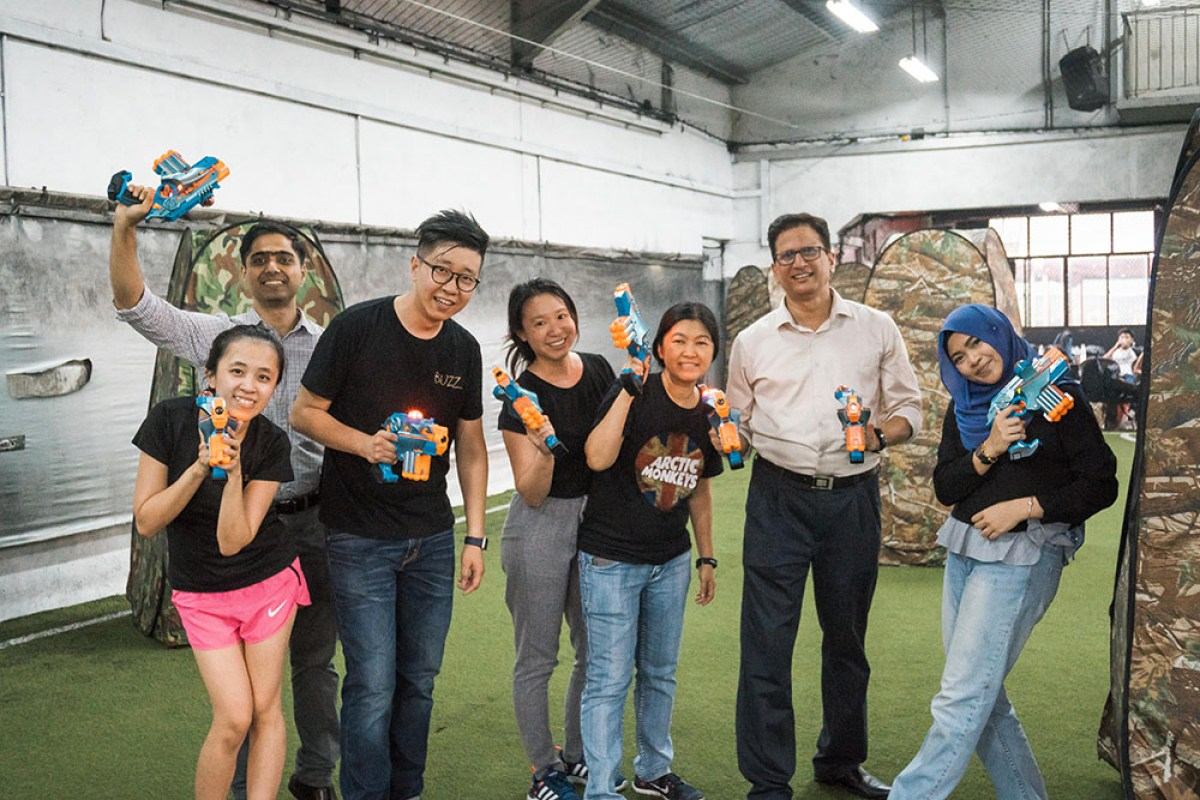
2027 provider comparison guide
Compare team-building providers by the things that decide event quality: facilitation, group fit, quote clarity, case studies, safety, weather planning, and how the enquiry becomes a programme.
Provider scorecard
Start with every criterion unreviewed. Mark what the provider has confirmed and what still needs evidence; a quality verdict appears only when all seven checks are complete.
How scoring works: each confirmed criterion earns the points shown, “Needs evidence” earns 0, and unreviewed criteria are excluded. The seven weights total 100 points.
Quote comparison
A cheap quote can still be expensive if the activity needs extra facilitator support, setup, transport, weather backup, or extra planning effort. Use the Team Building Quote Checklist when you need a side-by-side review before confirmation.
| Quote field | Question to ask | Why it matters |
|---|---|---|
| Activity scope | Which activity format, number of rounds, and facilitation style are included? | Prevents comparing a fully facilitated programme against a bare activity rental. |
| Group size and rotations | How many people are active at once, and how are waiting teams kept engaged? | Large groups can feel flat if the provider does not design rotations carefully. |
| Venue and weather | What changes if the venue, weather, heat, or shelter conditions shift? | Singapore weather turns a cheap outdoor plan into risk if no backup exists. |
| facilitator support | How many facilitators are on site, and what do they each manage? | Facilitation quality often decides whether the event feels professional. |
| Add-ons | Are food, prizes, transport, setup time, and extension fees included or optional? | Hidden add-ons make quote comparisons unreliable. |
Side-by-side worksheet
Use the native fields while you compare quotes. Each provider becomes a full-width card on mobile, so no quote column disappears off-screen.
Your comparison notes stay in this browser tab and are never added to planner or WhatsApp links. Copy them before leaving if you want to keep them.
Red flags
The best team-building company is not always the one with the longest activity list. It is the one that can make the day work for your actual team.
Case-study quality rubric
Examples are more useful when they resemble your group size, venue type, planning problem, and current operating context.
Examples are stronger when the provider has handled a similar group size, because rotation, waiting time, and facilitator coverage change quickly with scale.
A provider that has only shown outdoor-field examples may still need checking for hotel ballrooms, office spaces, sports halls, or convention venues.
Look for examples around your actual risk: mixed comfort, rain backup, large groups, leadership visibility, staff morale, or quote clarity.
Recent case patterns, live activity pages, and clear event photos are more useful than old logos or generic claims without context.
Official Singapore checks
A provider is easier to trust when they can answer the real operating questions: weather, food safety, halal verification, accessibility, photo consent, and sustainability.
Meteorological Service Singapore: Singapore thunderstorms, lightning, monsoon surges, and sudden squalls can change an outdoor activity plan quickly.
Singapore Food Agency: Food timing can affect safety and the event flow; activity timing should not push catered food beyond safe holding windows.
Singapore Food Agency: You can reduce food risk by checking licensed establishment records before confirming caterers.
MUIS: Halal requirements should be verified through official current sources, not assumed from brand familiarity or old PDFs.
Building and Construction Authority: Mixed corporate groups may include older participants, people with mobility needs, nursing mothers, or employees who need a lower-friction venue.
Personal Data Protection Commission: Company event photos can become sensitive when images are used for internal newsletters, marketing, or public social posts.
Singapore Tourism Board: Larger events can be improved by reducing waste, choosing suitable venues, planning transport, and coordinating suppliers earlier.
Related planning links
Provider selection is easier when the activity brief, event objective, and case-study context are already clear.

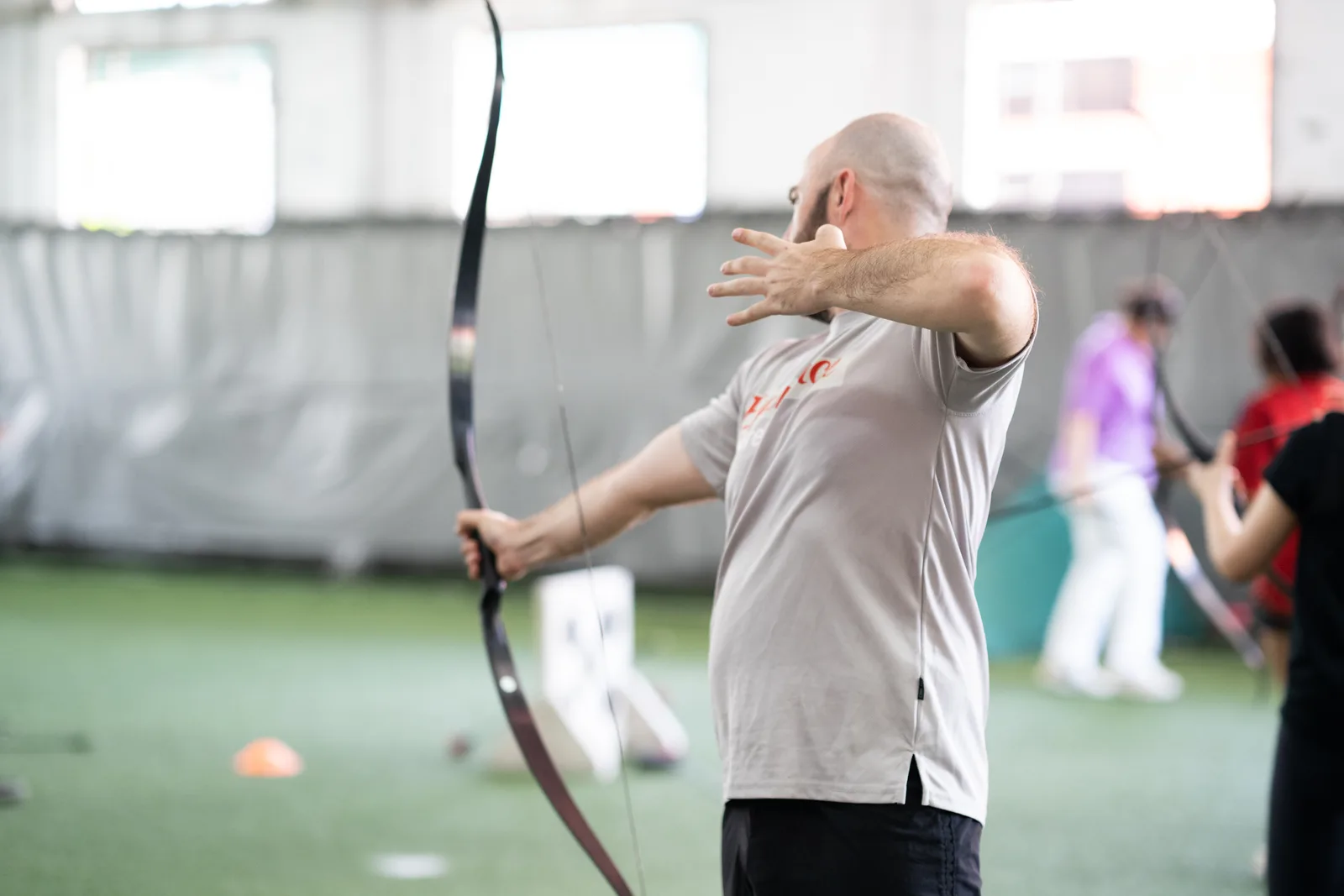
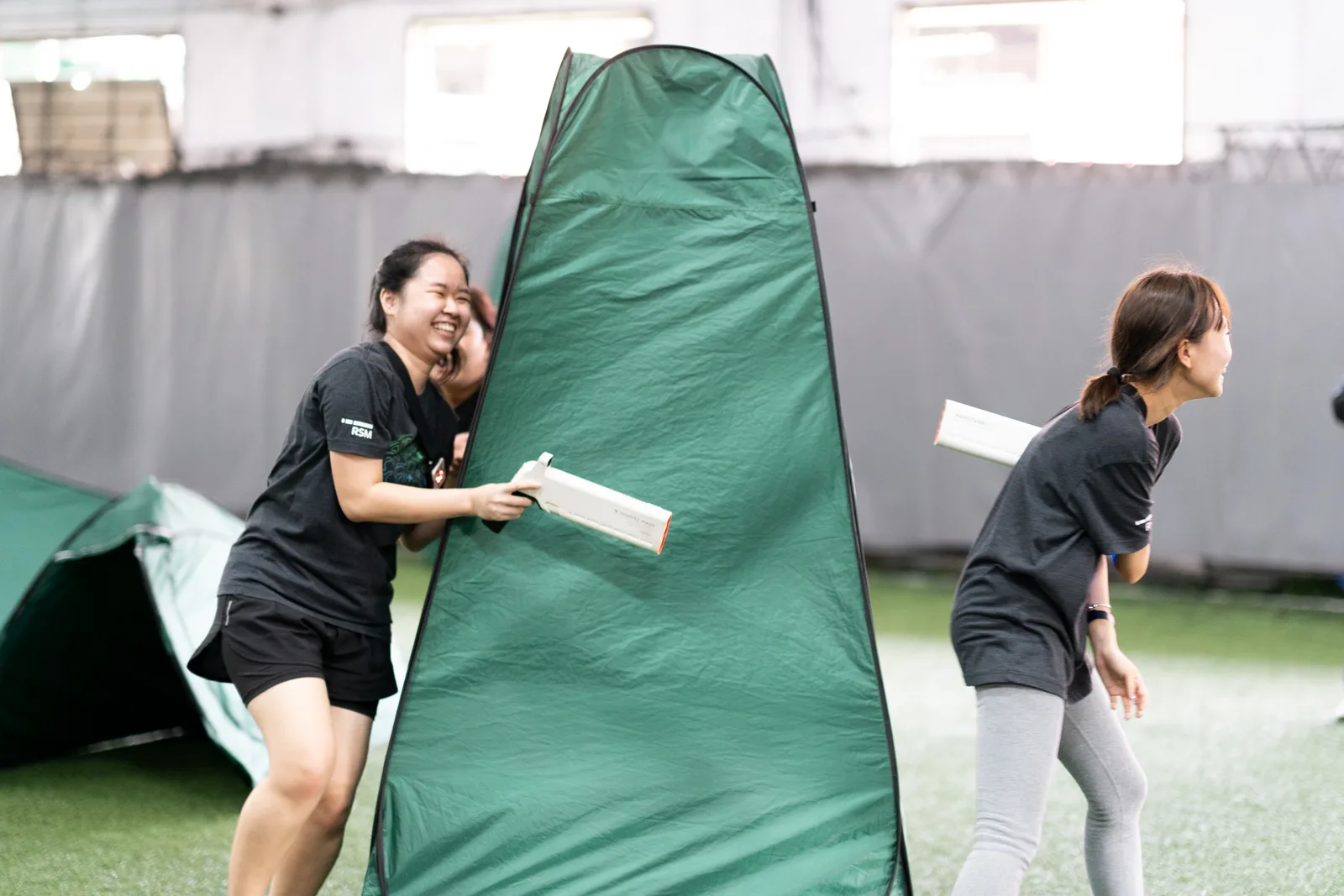
Case-study path
Case studies help separate a provider with real event patterns from one with generic activity copy.
Useful when comparing providers on adaptability and repeat-session consistency.
A helpful example when you are comparing small department sessions against larger office groups.
Relevant when provider comparison depends on scaling, rotations, and inclusive participation.
Deeper guides
Use the deeper guides for HR approval workflow, budget bands to sense-check quotes, activity-fit shortcuts, and BBQ vendor questions.
Next step
Share your group size, objective, venue direction, preferred energy level, and constraints. Cohesion can recommend a team-building format and programme flow that fits the actual team.