
This case study keeps the company name, but the contact name has been changed for privacy.
Micron is a strong example for teams that do not just want one successful team day. They want an event style that still feels recognisable as the company grows, the group mix changes, and the planning lead wants enough variety to keep repeat events fresh.
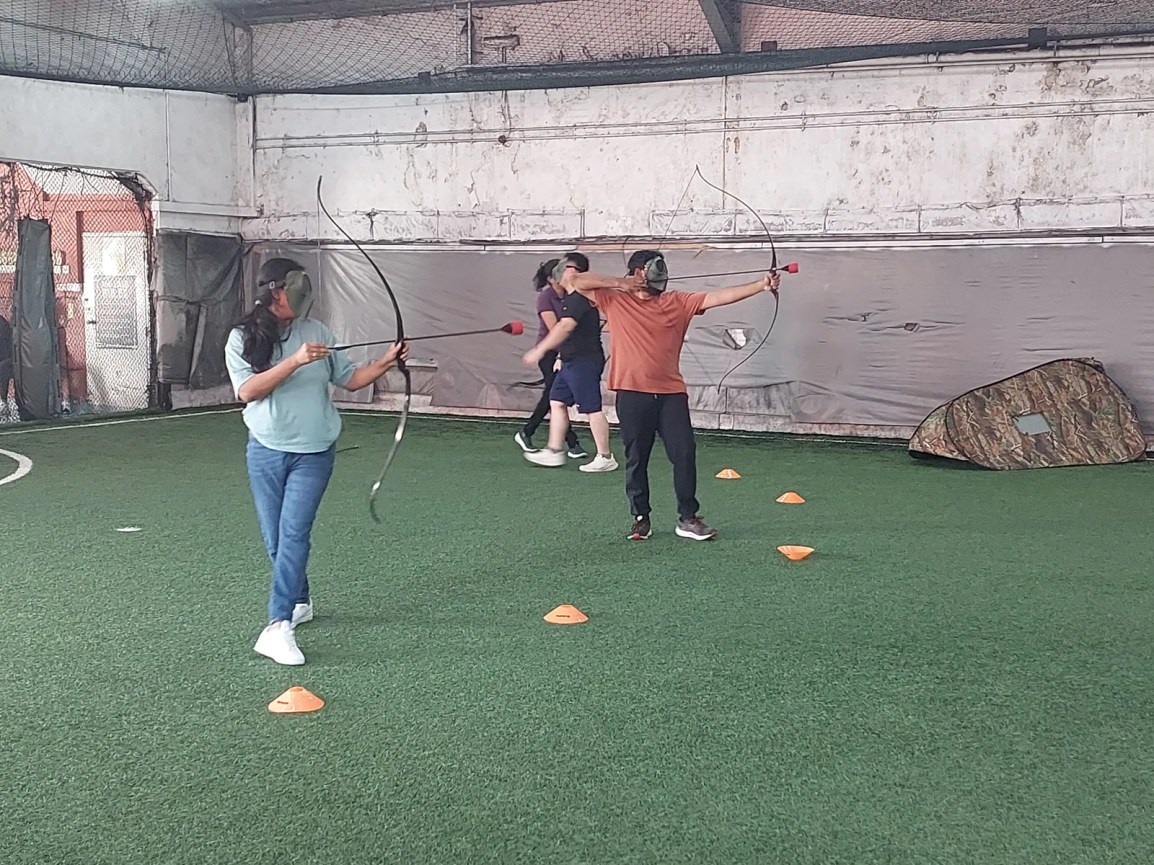
Across past Cohesion bookings from 2022 to 2026, Micron returned for active formats including Laser Tag, Archery Tag, Bubble Soccer, and later Telematch. Group sizes ranged from around 20 people to the mid-70s.
That makes this more valuable than a one-off event recap. It shows how a returning planning lead can keep the energy and facilitation style consistent while still changing the exact activity to suit the next brief.
The takeaways below are drawn from the booking pattern rather than direct client quotes.
Case study at a glance
Micron shows how repeat team building can stay recognisable, energetic, and fresh without defaulting to the same activity every time.
What this case shows quickly
The takeaway is not to copy Micron line for line. It is to see how the recommendation shifted while the overall event style stayed active, social, and easy for teams to buy into.
- Repeatability does not mean repeating one exact activity forever.
- Headcount and team mix should be allowed to change the recommendation.
- A wider format mix can make repeat events feel intentional rather than repetitive.
What The Brief Was Really Solving
For a returning planning lead, the real question is rarely "Which activity is best?" It is usually "Which format still makes sense now that the group has changed?"
That is why Micron is such a strong planning example. The booking history suggests a team that stayed aligned on the big decision, active facilitated team building, while remaining flexible on the exact activity.
For tech teams, department leads, and HR organisers in Singapore, that is often the more durable model. Keep the event style recognisable, but do not force every round into the same shape.
What The Booking Pattern Shows
| Signal in Micron’s booking history | What it suggests for planners |
|---|---|
| Multiple sessions over several years | The planning lead is solving for repeatability, not a single one-off day. |
| Activity mix stayed inside active formats | The company appears to prefer energy, facilitation, and game-led participation over passive bonding. |
| Group size moved from compact sessions to larger team days | The recommendation probably had to adapt as headcount and event pacing changed. |
| Telematch appears later in the pattern | Broader participation formats can become more useful as teams grow or become more mixed. |
That last point matters. When the same planning lead starts reaching for a broader format later on, it often means the brief has changed more than the company culture has.
How The Format Mix Matured
Earlier Micron sessions leaned more heavily into sharper game-led formats such as Laser Tag, Archery Tag, and Bubble Soccer. More recent history includes Telematch, which is often the better recommendation when you want broader participation or a format that scales more comfortably for larger groups.
That progression makes practical sense. As the team grows or becomes more mixed in confidence, energy, or age profile, the recommendation often shifts from pure competition toward something that keeps participation broad without flattening the event.
If you are planning for a larger office crowd, the logic here lines up closely with our guide to team building in Singapore for large groups.
What Similar Teams Can Take From It
Keep the event identity steady
Micron’s pattern works because the planning lead appears to have stayed consistent on the big decision: active, facilitated team building. The exact activity changed, but the event still sounded like the same kind of company day.
That is a stronger long-term approach than chasing something completely different every time. It protects continuity while still giving the planning lead room to respond to the next team’s shape.
Let headcount change the recommendation
One of the clearest signals in this case is that a 20-to-30 person session and a 70-plus person session should not be treated as the same event.
In practice, the recommendation should follow:
- headcount
- how competition-ready the group is
- how much variety you want
- how important broad participation is on the day
Rotate formats without restarting from zero
This Micron pattern is a good reminder that variety does not require rebuilding the whole event strategy every time. It is often enough to rotate between strong options such as Laser Tag, Archery Tag, Bubble Soccer, and Telematch depending on the brief.
That keeps repeat events feeling fresh without losing the active energy that already works for the company.
When This Kind Of Recommendation Makes Sense
This approach is especially useful if:
- your company runs team events more than once a year
- group size changes from event to event
- you want active team building without repeating the exact same activity
- the team can handle some competition, but the format still needs to stay inclusive
In those situations, the smartest next step is usually not guessing from a long list of activities. It is narrowing the best-fit format by group size, event objective, and energy level first.
If you are comparing providers for a similar repeat-event brief, use the Provider Scorecard to check whether the recommendation is backed by facilitation logic, relevant case studies, quote clarity, and a realistic plan for changing group sizes.
FAQ
What does this Micron case study show?
It shows how one company used several active team-building formats over time instead of relying on one repeated activity for every session.
Repeat events without repetition
For many teams, yes. Keeping the overall event style active while changing the exact format can make repeat team days feel fresher without losing what already works.
When headcount keeps changing
That is exactly when a fixed recommendation starts to break down. Group size should influence whether a more competitive game-led format or a broader format like Telematch makes more sense.
Next Step
If you are planning a team day in Singapore and want the format recommendation to stay sharp as headcount changes, start with the full Event Planner. If you want to compare a few more named client examples first, browse the case studies hub. If you already know the broad direction and want pricing, you can also contact Cohesion.